The Benefits of Low-Impact Training and Who It’s For

5 -min read
Training The Body
Home » Resources » The Benefits of Low-Impact Training and Who It’s For

Exercise doesn’t have to mean punishing your body with high-impact movements to be effective. In fact, some of the most beneficial workouts are gentle on your joints. Low-impact training is a powerful approach that builds strength, improves cardiovascular health, and enhances flexibility without the jarring stress of high-impact activities.


This guide will explore the significant advantages of low-impact exercise. We will cover how it protects your body while delivering results, who can benefit most from this style of training, and how you can easily add it to your own fitness routine.


What is Low-Impact Training?

Low-impact training refers to physical activity that minimises the force and shock that travels through your joints, particularly your ankles, knees, and hips.


Unlike high-impact exercises such as running, jumping jacks, or high-intensity interval training (HIIT), low-impact workouts provide a steady, controlled movement. This makes them a sustainable and safe option for building fitness over the long term.


Low-Impact Workouts to Try


Here are some of the best low-impact exercises you can incorporate into your fitness plan. These options are especially welcoming for beginners, those recovering from injury, or anyone looking for sustainable, approachable training, making fitness feel inclusive for everyone:

  • Swimming and Water Aerobics: The buoyancy of water supports your body weight, removing almost all impact from your joints. It provides a full-body workout that builds both strength and cardiovascular endurance.


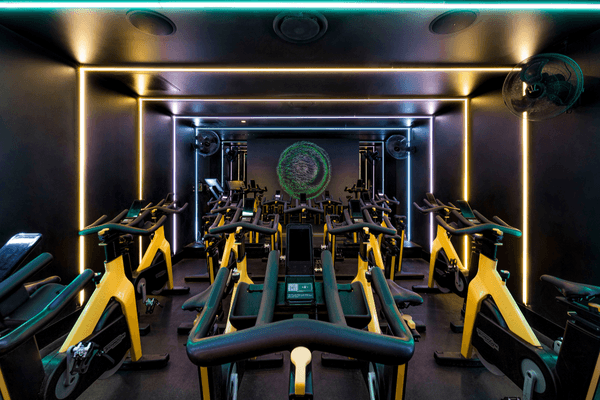
  • Cycling (Indoor or Outdoor): Cycling is a fantastic cardio exercise that is easy on the knees and ankles. The fluid, circular motion strengthens the leg muscles without the jarring impact of running.


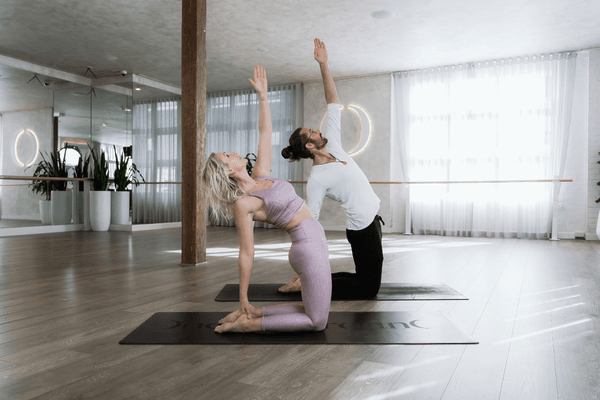
  • Yoga: Yoga offers gentle movements and poses that improve flexibility, strength, and balance. It’s adaptable to any ability level and is excellent for easing back into movement after injury or for those new to exercise.


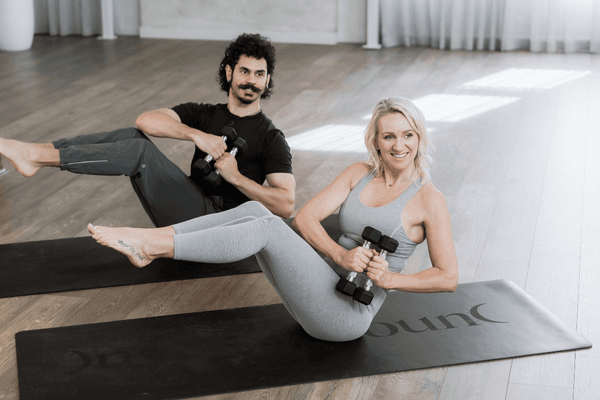
  • Pilates: Reformer and Mat Pilates focuses on controlled movements that enhance core stability, posture, and mobility. It’s ideal for those recovering from injury or seeking to build foundational strength in a safe, effective way.


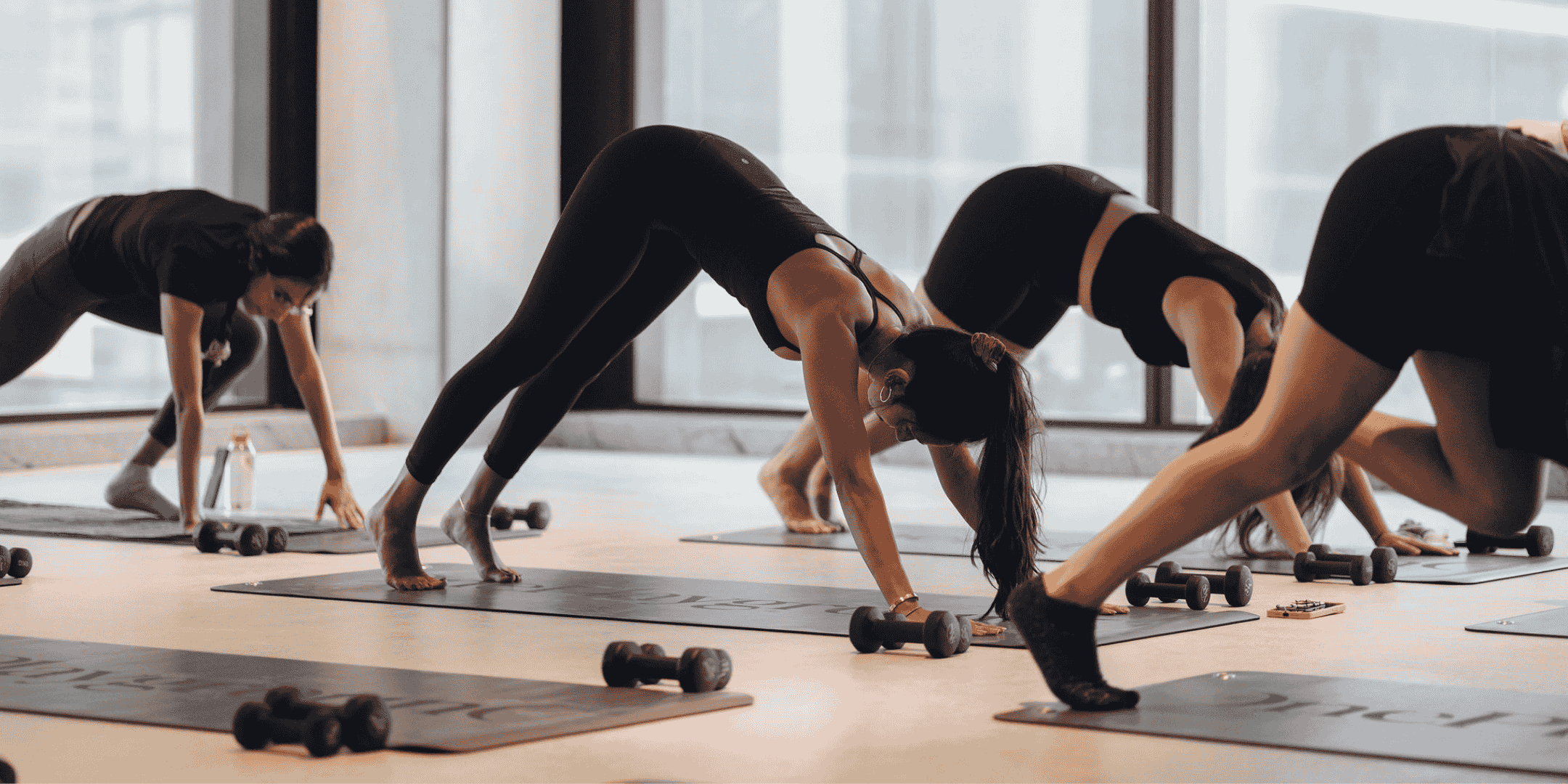
  • Mobility and Stretching Routines: Dedicated mobility exercises increase range of motion, support joint health, and help prevent reinjury. These routines are approachable and easily modified for all fitness levels.


  • Tai Chi: This mindful movement practice promotes balance, coordination, and relaxation through slow, flowing motions, great for all ages and abilities.


  • Elliptical Trainer and Rower: These gym machines simulate natural movements like running or rowing, but without the impact. They allow for a high-intensity workout while keeping your feet planted and protecting your joints.


  • Walking: Never underestimate the power of walking. It’s free, accessible, and can be adjusted to any fitness level. A brisk walk is an excellent way to improve heart health and manage weight.


5 Key Benefits of Low-Impact Workouts

Choosing low-impact exercises offers a host of advantages that contribute to both physical and mental well-being. These workouts prove that you can achieve your fitness goals without putting undue strain on your body.


1. Reduces Risk of Injury

One of the most compelling reasons to embrace low-impact training is its focus on safety. High-impact movements can place significant stress on your joints, muscles, and connective tissues, which can lead to common injuries such as stress fractures, shin splints, and joint pain. By keeping movements controlled and grounded, low-impact exercise dramatically lowers this risk, allowing for more consistent training without forced time off for recovery.


2. Improves Joint Health and Mobility

Contrary to what some may believe, gentle movement is incredibly beneficial for joint health. Low-impact activities like swimming or cycling encourage the circulation of synovial fluid, which lubricates your joints and delivers essential nutrients to the cartilage. This process helps maintain joint mobility, reduces stiffness, and can even alleviate symptoms of conditions like arthritis. By strengthening the muscles that support the joints, you create a more stable and resilient musculoskeletal system.


3. Accessible for All Fitness Levels

Low-impact training is remarkably inclusive. A beginner can start with a simple walk or a gentle yoga class, while an advanced athlete can engage in a strenuous session on an indoor bike or a long-distance swim. The intensity is easily adjustable to match your current fitness level and goals. This scalability makes it an excellent starting point for those new to exercise and a smart way for seasoned athletes to cross-train.


4. Supports Effective Weight Management

Low-impact exercise is a highly effective tool for weight management. Activities like brisk walking, cycling, and using the elliptical can burn a significant number of calories. Since these workouts are easier on the body, you may be able to exercise for longer periods, increasing your total calorie expenditure. This consistency is key to creating the calorie deficit needed for sustainable weight loss.


5. Enhances Cardiovascular Fitness

You don’t need to pound the pavement to get your heart rate up. Many low-impact workouts provide an excellent cardiovascular challenge. Swimming, rowing, and cycling all demand a high level of oxygen consumption, which strengthens your heart and lungs. Consistent low-impact cardio can lower blood pressure, improve cholesterol levels, and reduce your risk of heart disease.


Who Benefits Most from Low-Impact Training?

While low-impact exercise is great for everyone, certain groups may find it particularly advantageous for meeting their specific health and fitness needs.


Beginners to Fitness

Starting a new fitness journey can be intimidating. Low-impact training offers a gentle entry point, allowing beginners to build a solid foundation of strength and endurance without feeling overwhelmed or risking injury. Activities like walking or using a stationary bike help build confidence and make exercise feel more approachable.


Individuals Recovering from Injuries

For those on the mend from an injury, low-impact exercise is often a critical part of the rehabilitation process. It allows you to stay active and maintain fitness without aggravating the injured area. A physical therapist will often recommend exercises like water aerobics or gentle stretching to safely rebuild strength and mobility.


Seniors and Older Adults

As we age, preserving joint health and bone density becomes increasingly important. Low-impact activities are perfect for older adults because they minimise stress on aging joints while helping to maintain muscle mass and balance. Workouts like tai chi, walking, and water aerobics can improve stability, reduce the risk of falls, and enhance overall quality of life.


Pregnant Individuals

Exercise during pregnancy offers numerous benefits, but safety is the top priority. Low-impact workouts like swimming, prenatal yoga, and walking are highly recommended. They help manage weight gain, reduce back pain, and improve stamina for labour and delivery without putting undue stress on the body.


People with Chronic Conditions

Individuals living with conditions like arthritis, osteoporosis, or fibromyalgia can find relief and improved function through low-impact training. Gentle movement can help manage pain, reduce inflammation, and improve range of motion. The controlled nature of these exercises makes them a safe way to stay active despite physical limitations.


How to Get Started with Low-Impact Training

Adding low-impact exercise to your routine is simple. Here are a few tips to help you begin:

  • Start with What You Enjoy: The best workout is one you’ll stick with. If you love being outdoors, try cycling or walking. If you prefer a gym setting, the elliptical or a yoga class might be a better fit.


  • Listen to Your Body: Pay attention to how you feel during and after exercise. Low-impact doesn’t mean no effort, but it shouldn’t cause sharp pain. Adjust the intensity as needed.


  • Mix It In: You don’t have to give up your favourite high-impact activities entirely. Use low-impact workouts as a form of active recovery. For example, you could alternate running days with swimming or cycling days.


  • Focus on Form: Proper technique is crucial for any exercise. If you’re trying something new, consider a few sessions with a trainer or joining a beginner’s class to learn the correct form.


Low-impact training is a smart, sustainable, and effective way to achieve your health and fitness goals. By being kind to your joints, you can build a strong, resilient body that will support you for years to come.

Share this article

want to read more?