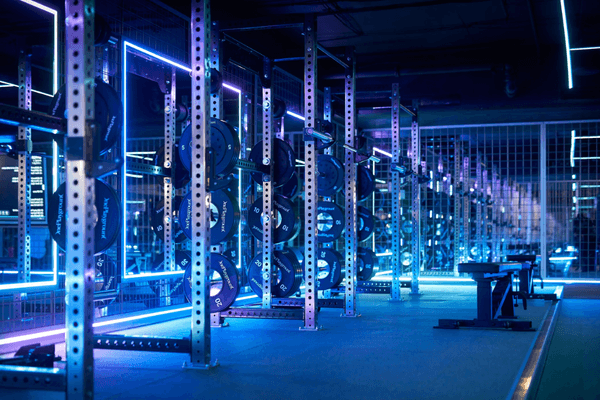
Small Moves, Big Impact: Exercise Snacking for Busy Lifestyles
Small Moves, Big Impact: Exercise Snacking for Busy Lifestyles
By One Playground
Not everyone has an hour spare each day to dedicate to the gym. Between early starts, long commutes, back-to-back meetings, and family commitments, finding a long block of time for a structured workout can feel impossible. For many time-poor professionals, this is where the motivation to move begins to slip.
But what if you didn’t need a full hour? What if just a few minutes, scattered throughout the day, could meaningfully support your health and training goals?
That’s the premise behind exercise snacking, a practical, evidence-backed approach to daily movement that’s changing how people think about fitness. And the best part? It’s not a replacement for structured training. It’s the perfect complement to it.
What Is Exercise Snacking?
Exercise snacking refers to short bouts of physical activity, typically lasting anywhere from 20 seconds to a few minutes, spread throughout the day rather than consolidated into a single session. Think of it like snacking between meals: small, intentional doses of movement that add up over time.
Some common examples include:
- Taking the stairs instead of the lift
- Doing a set of bodyweight squats before your morning coffee
- Running through a few desk mobility drills between meetings=
- Going for a brisk 5-minute walk after lunch
- Doing calf raises while waiting for the kettle to boil
It’s worth clarifying what exercise snacking is not. It isn’t the same as HIIT workouts, which involve structured high-intensity intervals within a single session. And it isn’t a substitute for your regular fitness classes or gym sessions. Exercise snacking is movement that supports your body between workouts, not instead of them.
Why Exercise Snacking Works for Modern Lifestyles
Research into exercise snacking benefits continues to grow, and the findings are promising.
Even short bouts of movement have been shown to:
- Improve cardiovascular and cardiorespiratory fitness
- Increase daily calorie expenditure without requiring dedicated workout time
- Reduce the health risks associated with prolonged sitting
- Promote healthy blood flow and circulation throughout the day
- Boost mood, focus, and energy levels
One of the most significant barriers to regular exercise isn’t motivation; it’s time.
Micro workouts address this directly. By removing the need for scheduling, changing into gym gear, or carving out a long block of free time, exercise snacking dramatically lowers the barrier to getting moving.
Less decision fatigue. Less pressure. More movement.
The Key Benefits of Exercise Snacking
1. Support Mobility and Reduce Stiffness
Sitting for extended periods causes muscles to tighten and joints to stiffen. Over time, this can reduce your range of motion, increase your injury risk, and make your structured gym sessions feel harder than they should.
Incorporating simple mobility exercises throughout the day, hip flexor stretches, shoulder rolls, and thoracic rotations helps counteract these effects. Regular movement keeps your joints lubricated, your muscles supple, and your body better prepared for the demands of structured training.
2. Improve Circulation and Enhance Recovery
Mini workouts for circulation don’t need to be intense to be effective. Even light movement, such as walking or gentle calf raises, encourages blood flow to muscles that have been static for hours. This reduces tightness, helps clear metabolic waste from the muscles, and can even support recovery between training sessions.
For desk workers, remote professionals, or anyone with a long daily commute, regular movement breaks are especially valuable.
3. Build and Maintain Training Momentum
One of the biggest challenges in fitness is consistency. Life gets in the way. A hectic week can quickly turn into skipped sessions and broken habits.
Daily movement tips for professionals often emphasise the importance of keeping the habit alive, even on the busiest days. Exercise snacking does exactly this. It reinforces your identity as someone who moves regularly, keeps your energy levels elevated, and makes it easier to show up for your next structured session.
Building Consistency Through Daily Movement
The key to making exercise snacking work long-term is habit stacking: attaching small movement breaks to existing routines so they happen automatically, without requiring extra willpower.
Try linking short fitness routines to moments that already happen in your day:
- Do 10 squats every time you make a coffee
- Walk to a colleague’s desk instead of sending a message
- Stand and stretch during every phone call
- Do a 60-second mobility flow before you sit down to work
You can also use phone reminders or calendar alerts to prompt movement at regular intervals. Apps that track steps or active minutes can help you celebrate the small wins that add up to meaningful progress.
The threshold is lower than you might think. Research suggests even 20 to 60 seconds of movement, repeated several times per day, can create measurable improvements in fitness and wellbeing. Start there.
How Exercise Snacking Complements Structured Gym Training
It’s important to be clear: exercise snacking is not a replacement for structured fitness. Developing real strength, improving cardiovascular capacity, building skills, and tracking performance all require consistent, intentional training sessions with progressive overload and expert guidance.
What exercise snacking does is make the most of the time between those sessions. It keeps your body primed, your habits strong, and your energy high so that when you do show up to train, you’re getting more out of every session.
Think of it this way: your structured workouts provide the stimulus for change. Your daily movement supports everything around them.
At One Playground, members build the physical foundations they need through expert-led Group fitness classes designed to develop strength, endurance, and athletic skill. Exercise snacking helps them maintain momentum between those sessions, so that progress is steady rather than stop-start.
A Practical Guide to Incorporating Micro Workouts Into Your Day
Not sure where to start? Here’s a simple framework for incorporating micro workouts into your day:
- Morning (2–5 minutes): A quick mobility flow to wake up the hips, spine, and shoulders before you sit down for the day.
- Mid-morning (1–2 minutes): 10-15 bodyweight squats or a set of glute bridges between tasks.
- Lunchtime (5–10 minutes): A brisk walk outside to boost circulation and clear your head.
- Afternoon (1–2 minutes): Standing calf raises, desk push-ups, or a brief shoulder and neck stretch to break up the afternoon slump.
- Evening: Your structured gym session or fitness class; your body is primed and ready.
This is fitness for busy people, done realistically. You don’t need to overhaul your day. You just need to add a few intentional moments of movement.
Small Moves Lead to Lasting Results
Exercise snacking works because it meets people where they are. It doesn’t demand a clear schedule, a gym membership, or a significant chunk of your day. It simply asks you to move, a little, more often.
Over time, those short workouts add up. Stiffness reduces. Energy improves. You show up to your structured sessions more prepared, more consistent, and more capable of making progress.
The foundation of great fitness isn’t perfection; it’s consistency. And consistency is built one small move at a time.
Ready to build the structured side of your training? Visit One Playground and try your first class for free. Enquire here.
More Articles
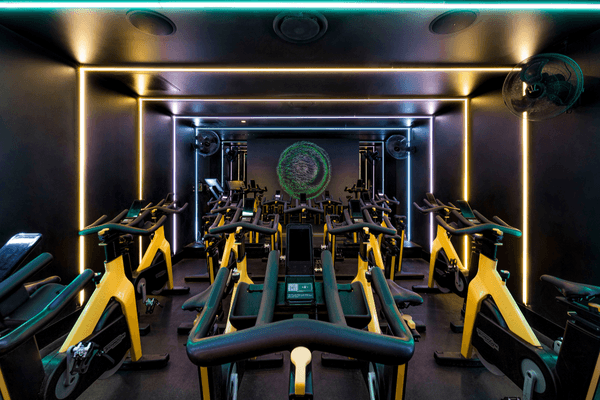
Spin Classes for Beginners: What to Expect in Your First Ride
New to indoor cycling? Discover what to expect in your first spin class, from bike setup and gear tips to workout structure.
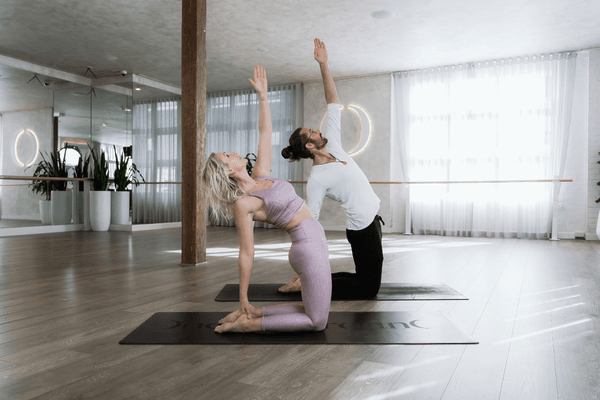
Finding Your Flow: How Often Should You Do Yoga If You Train at the Gym?
Discover how to integrate yoga into your gym routine to improve mobility, accelerate recovery, and boost performance
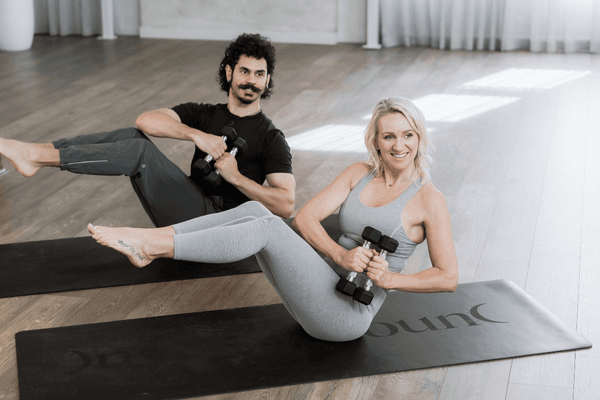
Pilates for Lower Back Pain and Tight Hips: What to Expect
Discover how Reformer Pilates improves spinal health, core stability, and hip mobility to relieve lower back pain.