Group Classes vs Personal Training: What's Best for Your Goals?
Group Classes vs Personal Training: What's Best for Your Goals?
By One Playground
Starting or restarting a fitness routine is the hardest part. There’s so much choice: workout split, classes, get a personal trainer, do Pilates.
If you’re choosing between personal or group training, you’ll find that both paths build structure, motivation, and real results, but they get you there in different ways, and each suits a different kind of person. Your experience level, your schedule, your budget, and even your personality all play a part in which one fits.
Here's how to work out which approach, or which combination, suits where you're at.
The Case for Group Fitness Classes
Group fitness means structured, instructor-led sessions built for a room full of people at once, powered by music, energy, and the pull of training alongside others. It's one of the most accessible ways to build consistency, and it's why fitness classes remain one of the most searched ways to get into a gym routine.
What group classes offer:
- Shared energy that makes hard sessions incredibly enjoyable, which supports both mental health and the kind of social accountability that keeps people showing up.
- Access to a wide range of training styles, from high-intensity intervals to slower, more mindful recovery work.
- A coach-led format where the programming is handled for you. You show up, follow the instructions, and put in the effort.
Group training suits people who thrive off a room's energy, want variety in their week, are mindful of budget, or simply want the routine and community that come with a consistent class schedule. It's also one of the best workout class options for beginners, since the instructor carries the programming load while you focus on learning the movements.
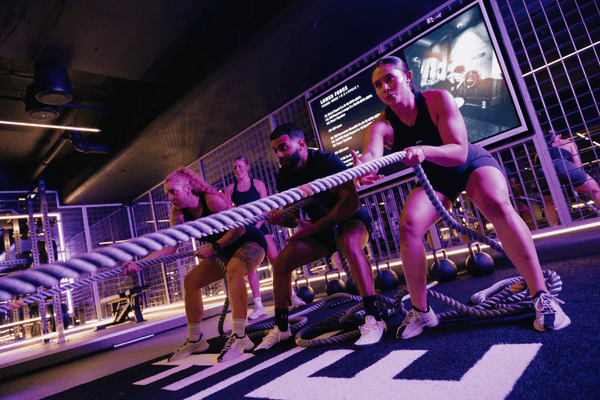
One Playground's group training studios span seven distinct concepts, each built around a different training goal:
- Force: Strength and conditioning on a 12-week program
- Pulse: HIIT and Hypertrophy on your own workstation
- Surge: Indoor cycling across performance and rhythm rides
- Motion: Pilates, Dance, and other mat-based movement
- Space: Yoga, breathwork and sound healing
- Reformer: Reformer Pilates across a range of styles
- Legacy: High-energy boxing
Together, they cover most of what a well-rounded training week needs, all bookable through the same fitness classes timetable.
The Case for Personal Training
Personal training takes the opposite approach. Instead of one format built for many people, a coach designs a program around your body, your goals, your schedule, and any injury history you're working around.
What personal training offers:
- Weights, exercise selection, and pacing calibrated to your current strength and the milestones you're chasing.
- Real-time feedback on form and technique, which lowers injury risk considerably compared to training unsupervised.
- Guidance that extends past the gym floor, covering habits, nutrition, and recovery alongside the workouts themselves.
This kind of fitness coaching suits everyone from beginners who need hands-on technique guidance, to athletes chasing a specific outcome like a strength milestone or sport-specific performance goal, to anyone returning from injury, and to anyone who feels like their progress has stalled despite consistent effort.
Through OneCoach at One Playground, members working with a dedicated coach are up to 9.5x more likely to reach their health goals, a result driven by expert coaching, individual attention, and progress tracked over time rather than left to chance. Explore personal training options to see how a program could be built around you.
Side by Side: How the Two Compare
Coaching style
Group classes offer one instructor guiding a full room. Personal training offers one coach focused entirely on you, correcting form as you move.
Progression and customisation
Class programming follows a pre-built template designed for a broad range of participants. Personal training is built around your specific biomechanics, adjusted session to session as you progress.
Accountability
In a class, accountability comes from the people around you and the commitment of showing up to a scheduled session. With a coach, it comes from a direct, personal relationship built on individual sessions.
Cost
Fitness classes are typically included in a general gym membership, making them the more budget-friendly entry point. Personal training is a premium investment, priced for the tailored, high-touch support it delivers
Why Not Both?
Group classes and personal training aren't competing options. Used together, they build a training week that covers both precision and variety.
A common approach: use personal training sessions to master lifting technique, correct movement imbalances, and establish a solid strength foundation. Then use group classes like Reformer, Surge, or Pulse for metabolic conditioning, mobility, social energy, and active recovery.
Combining both keeps training sustainable over the long run. It prevents the boredom that comes from doing the same thing every session and gives you the benefits of group fitness classes alongside the precision of individual coaching, all in the same week.
How to Decide
Group classes bring energy, community, and variety to your training. Personal training brings precision, education, and a program built entirely around your goals.
If you want atmosphere, flexibility,, and the motivation that comes from training alongside others, start with group classes. If you're after fast-tracked, individualised results with dedicated accountability, personal training is the better starting point. For most people, the strongest results come from blending the two.
Explore One Playground's group training classes across Sydney locations, or book a consultation with a OneCoach personal trainer to build a plan around your specific goals.
More Articles
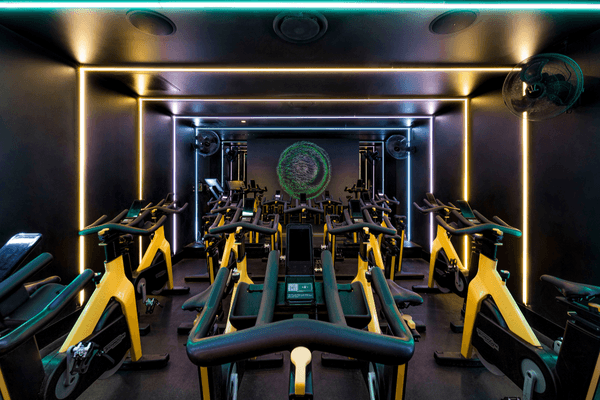
Spin Classes for Beginners: What to Expect in Your First Ride
New to indoor cycling? Discover what to expect in your first spin class, from bike setup and gear tips to workout structure.
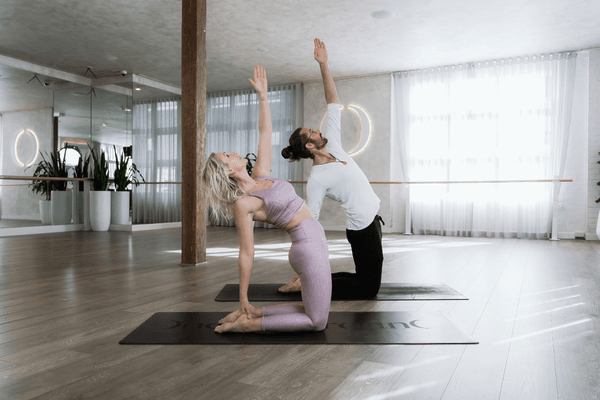
Finding Your Flow: How Often Should You Do Yoga If You Train at the Gym?
Discover how to integrate yoga into your gym routine to improve mobility, accelerate recovery, and boost performance
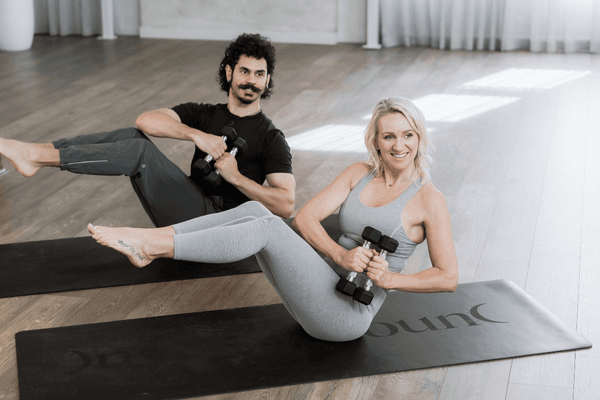
Pilates for Lower Back Pain and Tight Hips: What to Expect
Discover how Reformer Pilates improves spinal health, core stability, and hip mobility to relieve lower back pain.