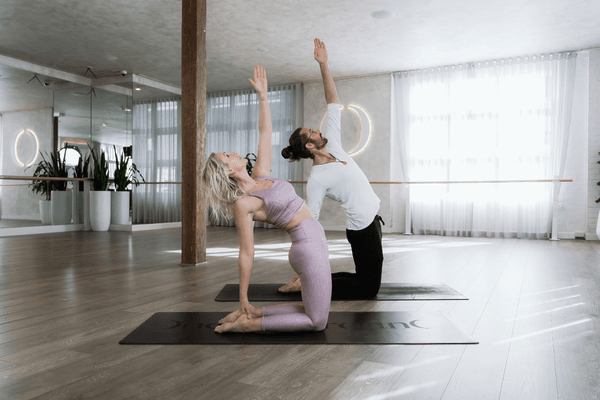
Finding Your Flow: How Often Should You Do Yoga If You Train at the Gym?
Finding Your Flow: How Often Should You Do Yoga If You Train at the Gym?
By One Playground
Gym training is exceptional at building lean muscle, cardiovascular capacity and raw strength. What it doesn't always account for is what happens to your body between sets.
Heavy resistance work and high-impact conditioning place demand on your joints and tissues, and over time that demand can chip away at flexibility, mobility and recovery if nothing balances it out.
This is where yoga comes in, not as an alternative to gym training but as its natural counterpart. For lifters and athletes, a regular yoga practice helps close the gap between strength and suppleness, giving the body the range and resilience it needs to keep progressing without breaking down.
At One Playground, we've built our studios around exactly this kind of balance. Alongside our strength and conditioning floors, you'll find dedicated yoga studio spaces and expert-led yoga classes designed to help members recover well and train for the long term.
The Case for Integrating Yoga into a Gym Routine
For gym-goers, yoga is best understood as a discipline of movement, breath and mobility. It works to open tight areas of the body, restore tissue that's been under load, and sharpen the connection between mind and muscle.
Enhanced mobility and range of motion. Yoga stretches tight muscles, lubricates the joints and improves posture, which translates directly into deeper squats, safer overhead pressing and cleaner lifting mechanics across the board.
Accelerated recovery and soreness relief. The combination of gentle flow and sustained holds increases blood flow to overworked muscles, helping to clear metabolic waste and ease delayed onset muscle soreness.
Injury prevention and joint health. A consistent practice strengthens the stabilising muscles around major joints, releases chronic tension in areas like the lower back, hips and shoulders, and keeps connective tissue supple under heavy training loads.
Mental clarity and nervous system reset. Controlled breathwork shifts the body out of a stressed, sympathetic state and into parasympathetic recovery, which lowers stress hormones and supports better sleep.
Yoga tends to serve certain groups particularly well: weightlifters dealing with stiffness or plateaus, runners and HIIT athletes who need genuine active recovery, and anyone who wants to protect their joints as they continue training hard for years to come.
If you're new to it, our yoga classes run across a range of styles, from dynamic flow to slower, restorative sessions, so there's a natural entry point, whatever your training background.
How Often Should You Do Yoga?
There's no single rule that fits everyone here. The right frequency depends on how hard you're training, what you're training for, and how much time you realistically have each week.
One to two sessions a week suits heavy lifters, powerlifters and intense HIIT trainers who want yoga mainly to decompress, release tension and restore range of motion on rest days.
Three sessions a week tends to be the sweet spot for general functional fitness. It builds mobility alongside strength gains without adding fatigue or pulling focus from your lifting numbers.
Four or more sessions, including short daily micro-flows, work well during active recovery blocks or deload weeks, or as a way to bookend training days with quick mobility work before and after the weights.
Even a fifteen-minute flow before or after a session can make a noticeable difference over time, particularly for anyone who trains often and rarely stretches otherwise.
How to Structure Your Week: Combining the Gym with Yoga
Weaving yoga into a structured gym split doesn't need to be complicated, and it shouldn't tip you into overtraining. A few simple structures work well for most people.
Pre-workout warm-up: ten to fifteen minutes. Dynamic poses like downward dog, cat-cow and crescent lunge open up the joints, warm the spine and prepare the nervous system for heavier lifting.
Post-workout cool-down: ten to fifteen minutes. Gentle, static holds such as child's pose, thread the needle and seated forward fold calm the heart rate and stretch muscles while they're still warm.
Dedicated active recovery days: forty-five to sixty minutes. A full yin or restorative class on a non-lifting day gives the body time for deeper tissue repair alongside genuine mental rest.
Flowing through yoga on its own terms, rather than squeezing it into the margins of a workout, is part of what makes it effective. The goal is a body that's strong and muscular but also mobile, functional and built to last, and that comes from treating yoga, meditation, or breathwork as training in its own right rather than an afterthought.
Curious how yoga stacks up against Pilates for strength and flexibility work, or want a deeper look at the benefits of yoga? Both are worth exploring as you shape a routine around your own goals, particularly when it comes to choosing yoga for strength or flexibility.
Finding Your Flow
Heavy gym training builds power and muscle. Regular yoga gives you the mobility, balance and recovery to use that power safely, and to keep using it for years rather than months.
If you're feeling chronically stiff, sore or mentally flat, it's worth increasing how often you practise. If your main focus is building maximal strength, yoga still has a place, used strategically as an active recovery tool once or twice a week.
Ready to bring more balance to your training? Explore One Playground's yoga studio sessions across our Sydney locations, or add a restorative class to your week and feel the difference it makes to how you train.
More Articles
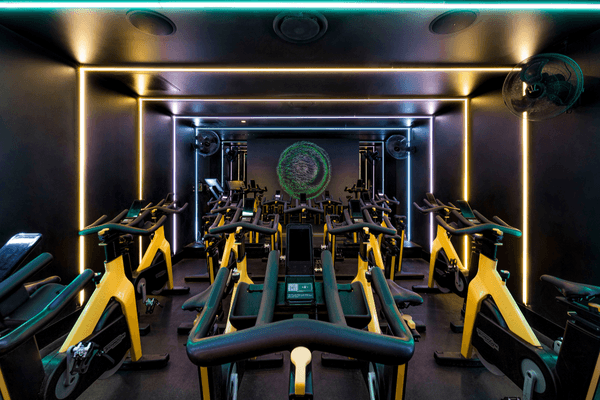
Spin Classes for Beginners: What to Expect in Your First Ride
New to indoor cycling? Discover what to expect in your first spin class, from bike setup and gear tips to workout structure.
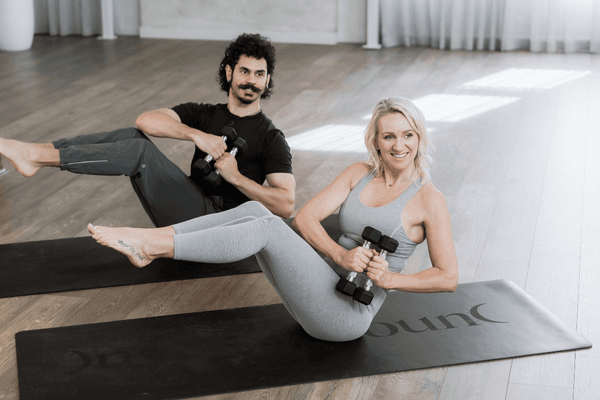
Pilates for Lower Back Pain and Tight Hips: What to Expect
Discover how Reformer Pilates improves spinal health, core stability, and hip mobility to relieve lower back pain.
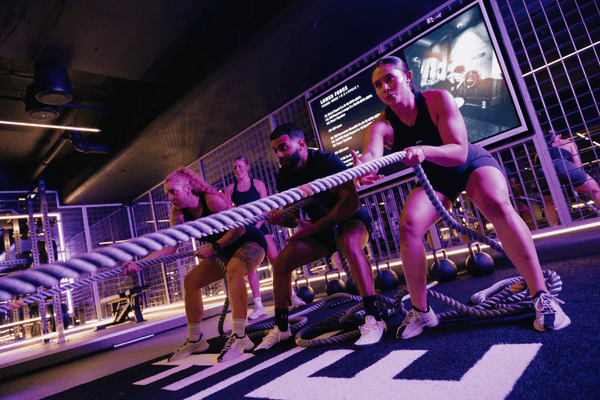
Group Classes vs Personal Training: What's Best for Your Goals?
Discover whether group fitness classes or 1:1 personal training fits your goals, budget, and lifestyle. Compare coaching, accountability, and results at One Playground.