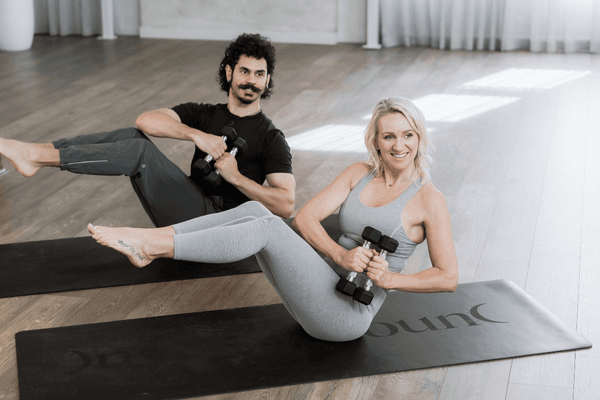
Pilates for Lower Back Pain and Tight Hips: What to Expect
Pilates for Lower Back Pain and Tight Hips: What to Expect
By One Playground
Persistent lower back discomfort and tight, locked-up hips have a way of creeping into everything, from your workouts to the way you get up off the couch.
If you have found yourself hesitating before a session, or bracing before you bend down to tie your shoes, you are far from alone. Long hours at a desk, underused deep stabilising muscles and high-impact training all feed into the same pattern of stiffness and guarded movement, and once that pattern sets in, it tends to reinforce itself.
Pilates was built for exactly this problem. It is a therapeutic, precise movement system designed to restore spinal health, open restricted hip joints and build genuine core strength, all without loading the joints the way running or heavy lifting can.
At One Playground, Sydney's home for considered, sanctuary-style training, our Reformer studios pair state-of-the-art equipment with instructors trained to guide every body, at every stage of mobility, toward movement that feels good again.
Why Back Discomfort and Tight Hips Are Connected
The lower back and hips share a single working system, often called the lumbopelvic hip complex, and what happens in one shows up in the other.
When your hip flexors, glutes or hamstrings are tight and underactive, your lower back picks up the slack. Over time, that compensation shows up as strain, poor posture and the kind of dull, nagging ache that never quite resolves on its own.
Pilates addresses this at the source, working through the spine and hips together rather than treating one in isolation.
Targeted decompression and elongation. Controlled flexion, extension and rotation move the spine through its full range, gently releasing compressed vertebrae and easing tight lumbar muscles.
Reformer resistance control. The spring-loaded carriage on a Reformer Pilates studio setup gives you gentle assistance or resistance depending on what you need, letting you stretch and strengthen through a fuller range of motion without pressure on the joints.
Pelvic and core stability. Deep stabilising muscles, including the transverse abdominis and pelvic floor, are re-educated to support the spine properly, taking the load off your lower back rather than leaving it to compensate.
Improved posture and body awareness. Subtle alignment cues carry over well beyond the studio, helping correct the habits that contribute to strain in daily life.
This kind of work suits office workers managing postural fatigue, athletes carrying tight hip flexors, anyone easing back in after a low-back flare-up, and those simply looking for sustainable, low-impact workouts that build real strength.
At One Playground, this comes through in two distinct formats.
- Reformer classes use spring resistance and the Reformer Pilates bed to sculpt, lengthen and stabilise through dynamic, controlled movement.
- Motion takes a floor- and mat-based approach, blending core control, hip opening and mobility work in a calmer, more grounded setting.
Together, they cover the full spectrum of what a Pilates workout can offer, whichever entry point suits you.
What to Expect at a Pilates Class
Walking into your first class, or your first class in a while, it helps to know what the experience actually involves.
Your instructor will help set up the footbar, straps and spring resistance to match your current mobility, so nothing feels forced from the outset.
Expect precision and breath connection to take priority over speed, with movements that are deliberate and focused on alignment rather than heavy sweating. Many people notice a sense of decompression and openness through the hips after a single session, though the bigger structural changes come from consistent practice over weeks and months.
Every exercise can be modified, and if a stretch or hold feels wrong, your instructor will offer a safer progression or regression on the spot.
Essential Exercises for Hip Mobility and Back Support
A handful of movements come up again and again in class because they target the hips and lower back directly.
Pelvic articulations and bridging strengthen the glutes and hamstrings while rolling through the spine one vertebra at a time, mobilising the lower back as you go.
Cat-cow and spine rotation release tension along the length of the spine and open up tight thoracic and lumbar segments.
Feet in straps work, including leg circles and frog kisses, uses Reformer spring tension to support the full weight of your legs, allowing for deep, weightless hip opening and hamstring lengthening.
The mermaid stretch opens the tight lateral muscles through the obliques and quadratus lumborum, easing the lateral pull that so often contributes to lower spine discomfort.
Setting Realistic Goals: Consistency, Comfort and Progress
Progress with Pilates comes from steady, repeated practice rather than any single breakthrough session.
Two to three sessions a week tend to be the sweet spot for building lasting core stability, opening tight hips and keeping back discomfort at bay.
Learning to tell the difference between healthy muscle engagement and sharp joint strain matters just as much as showing up, and it is worth flagging any pre-existing injuries to your instructor before you begin.
Used alongside your strength, cardio or lifting routine, Reformer Pilates becomes a foundational practice that supports long-term athletic longevity rather than competing with it.
If you are weighing up where to start, our guide to choosing between Reformer and Mat Pilates breaks down the differences, and our guide to Reformer Pilates for beginners is a good next stop if the Reformer is new to you. For anyone returning to training after an injury, it is also worth reading through our notes on working out after a lower back injury.
Ready to Move Freely Again
Chronic lower back tightness and restricted hips do not have to be something you simply live with. Pilates offers the controlled environment, stability and mobility your body needs to move freely again, and the results build gradually with every session you show up to.
If you are ready to work through the root cause of your back or hip discomfort while improving your posture along the way, explore One Playground's Reformer and Motion studios across Sydney and try Reformer Pilates for yourself.
You can also browse our mat pilates offerings or choose your pilates class to find the right fit and book a session.
More Articles
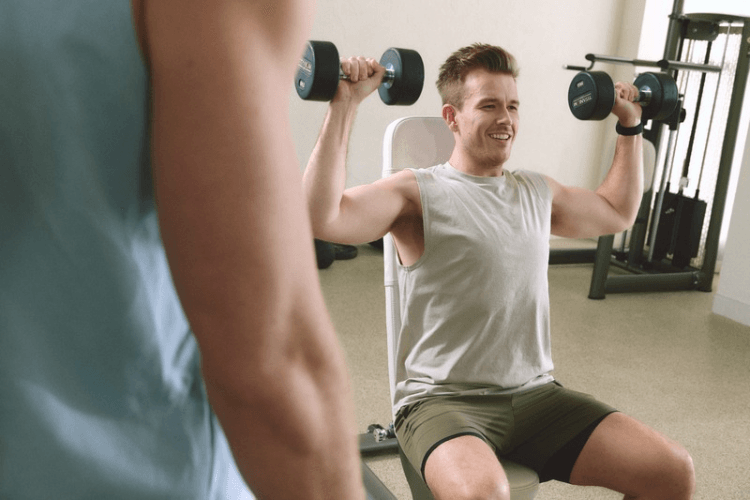
Strength Training for Beginners: Your Step-by-Step Gym Floor Guide
New to strength training? Learn the fundamental exercises, how to choose your weights and how to structure your first gym workout with this practical beginner's guide.
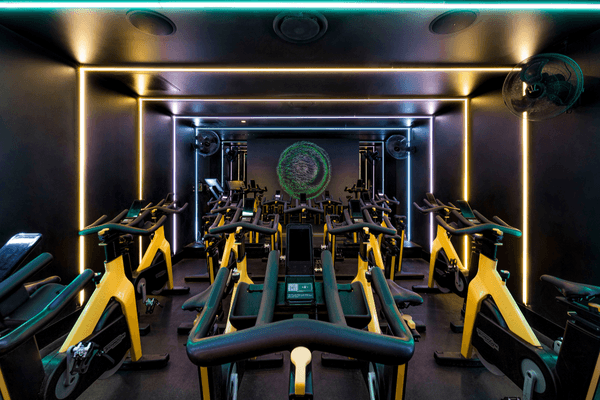
Spin Classes for Beginners: What to Expect in Your First Ride
New to indoor cycling? Discover what to expect in your first spin class, from bike setup and gear tips to workout structure.
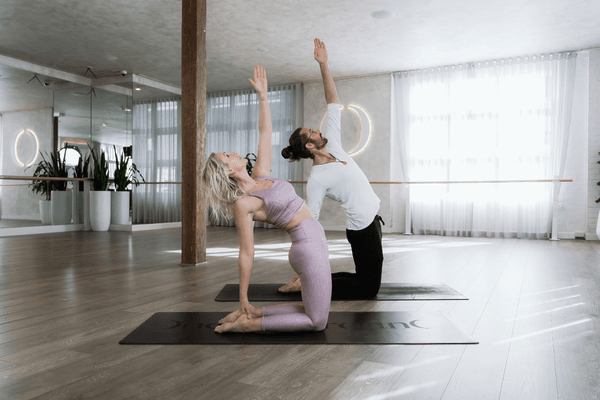
Finding Your Flow: How Often Should You Do Yoga If You Train at the Gym?
Discover how to integrate yoga into your gym routine to improve mobility, accelerate recovery, and boost performance