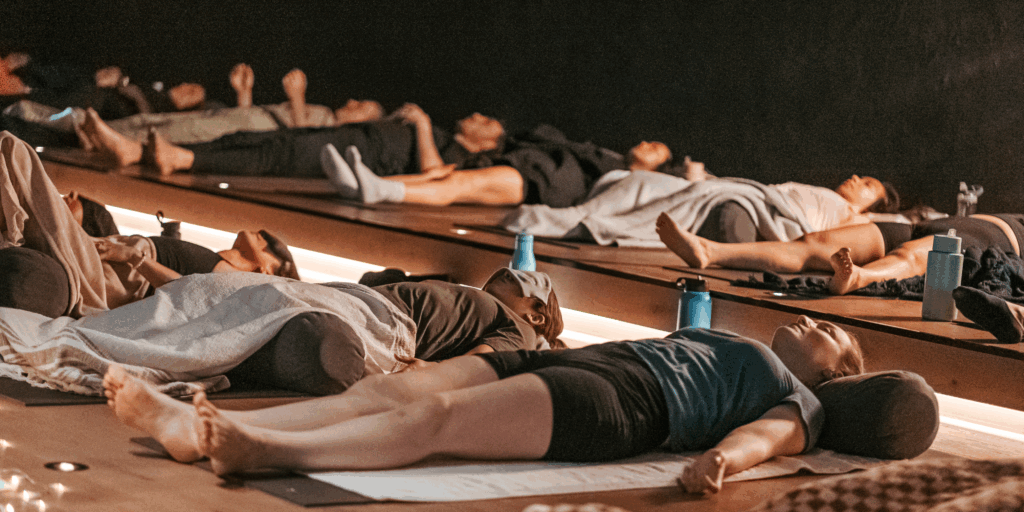
Why Breathwork Works Wonders: The Science and Benefits Behind Better Breathing
Why Breathwork Works Wonders: The Science and Benefits Behind Better Breathing
By One Playground
Let’s be real, most of us rarely think about how we breathe. It’s automatic, right?
Inhale, exhale, repeat.
But what if you took control of that unconscious rhythm? Could it unlock a calmer mind, a clearer head, and a deeper connection to yourself?
Welcome to the transformative world of breathwork, a science-backed approach to improving your mental and physical well-being using nothing more than what’s right under your nose.
Whether you’re feeling stressed, anxious, burnt out, or simply looking to enhance your performance in the gym, breathwork can offer real, tangible benefits.
The best part? Anyone can do it. In fact, many techniques can be practiced on the go, while driving, working, washing dishes, or even mid-workout.
There’s no need to be a yogi, Sage, crystals and incense are optional!
We caught up with Chris Sulfa, a breathwork master, to dive into why breathwork works, what happens in your body when you practice, and a few simple techniques you can try today.
What Is Breathwork?
Breathwork is an umbrella term for a variety of conscious breathing techniques designed to regulate your nervous system, focus your mind, and improve your overall well-being.
It’s not just about deep breaths; breathwork involves intentional, rhythmic breathing patterns that can shift your internal state. Think of it as an inner workout for your mind and body.
There are different styles of breathwork:
- Calming and meditative techniques, also known as down-regulating, help you relax and unwind.
- Energising and intense techniques, called up-regulating, boost focus and vitality.
There is even a category of Breathwork which can release suppressed tension, emotions, stress and trauma through the body, but more on that in a future article.
No matter the style, breathwork centres around one core idea:
“How you breathe affects how you feel, and the way that you feel is connected to the way that you breathe”.
By creating a bi-directional relationship between your breath and your body, you gain the ability to shift your mental and emotional states with intention.
Why Does Breathwork Work?
Breath is unique. It’s the only function in your body that’s both automatic and controllable. Your body breathes for you without conscious thought, but at any moment, you can deliberately take control of it.
When you consciously control your breath, you’re essentially tapping into your autonomic nervous system, the part of you that regulates heart rate, blood pressure, digestion, and stress response.
Here’s how it works:
- Fast, shallow breathing (like when you’re stressed or anxious) activates your sympathetic nervous system, your “fight or flight” mode.
- Slow, deep breathing stimulates your parasympathetic nervous system, your “rest and digest” mode, helping you relax, lower cortisol levels, and feel calmer.
Breathwork works because it gives you a direct line to your nervous system.
It lets you put the brakes on the cycle of stress, regulate your emotions, and shift your mental state, all within a couple of minutes.
What Happens in Your Body During Breathwork?
When you practice breathwork, a few key physiological changes take place:
- Oxygen and carbon dioxide levels shift: Depending on the style of breathwork, you may increase oxygen intake, release more carbon dioxide, or temporarily alter the balance between the two. How you breathe changes the amount of carbon dioxide (CO₂) in your body, which affects your blood and how your blood vessels behave. When you breathe slowly and deeply, you keep more CO₂ in your system. This makes your blood slightly more acidic, which tells your blood vessels to relax and open up (vasodilation). That increases blood flow, helps oxygen reach your brain and body more easily, and activates your relaxation response. On the other hand, if you breathe quickly or shallowly, you lose too much CO₂. This makes your blood more alkaline, causing your blood vessels to tighten (vasoconstriction), which can reduce blood flow and make you feel tense or anxious.
- Heart rate slows down: Deep, rhythmic breathing activates the vagus nerve, which in turn sends calming signals to the heart, telling it to slow down. As your heart rate decreases, your body shifts into a more relaxed state
- Blood flow and oxygen delivery improve: Breathwork stimulates the release of nitric oxide, a molecule that dilates blood vessels. This increases oxygen levels in your blood and enhances circulation, benefiting both your brain and body.
Who Can Benefit from Breathwork?
Breathwork is accessible to almost everyone, regardless of experience or fitness level. You don’t need special equipment, hours of free time, or even a specific setting; it can be practiced at your desk, in the car, during your lunch break, or while lying in bed.
Breathwork is ideal for:
- Beginners looking for a way to manage stress
- People who struggle with traditional meditation
- Athletes aiming to recover better and enhance their performance
- Anyone dealing with anxiety, burnout, or emotional overwhelm
That said, if you have certain medical conditions (such as heart issues, respiratory problems, or mental health concerns), or if you’re pregnant, you should consult a healthcare professional before trying breathwork techniques involving intense breathing.
Simple Breathwork Techniques to Try
Here are four beginner-friendly techniques you can practice today:
1. Box Breathing
A Navy SEAL favourite, this technique calms the mind and enhances focus.
How to do it:
- Inhale through your nose for 4 seconds.
- Hold your breath for 4 seconds.
- Exhale slowly through your mouth for 4 seconds.
- Hold again for 4 seconds.
- Repeat for 4-5 rounds.
This creates a calming rhythm that signals safety to your nervous system and lowers your heart rate. Police, first responders, the military even pro sports athletes use this technique to stay calm under pressure.
2. Physiological Sigh
A quick, effective way to reduce stress or anxiety.
How to do it:
- Inhale deeply through your nose, about 80-90% of your lung capacity.
- At the top, take a second, short inhale (like a sip of air).
- Exhale slowly and fully through your mouth.
Just 1–3 rounds of this can bring your heart rate down and reset your stress levels.
3. Coherence Breathing
This technique balances your nervous system and induces a meditative state.
How to do it:
- Inhale through your nose for 5 seconds.
- Exhale through your nose for 5 seconds.
- Continue for 5–10 minutes.
This technique promotes “heart-brain coherence”, a synchronised state between your heartbeat, your breath, and brainwaves. It’s incredibly soothing, effective and grounding.
4. 4-7-8 Breathing
Perfect for easing anxiety and falling asleep.
How to do it:
- Inhale through your nose for 4 seconds.
- Hold your breath for 7 seconds.
- Exhale slowly through your mouth for 8 seconds.
- Repeat for 4–6 rounds.
This technique helps you slow down and shift into a more relaxed, parasympathetic state. Perfect for when you’re finding it hard to get to bed at night.
Tips for Getting Started with Breathwork
- Start small: Even just 1–2 minutes a day can make a difference.
- Stay consistent: The benefits build over time, like a workout for your nervous system.
- Find your rhythm: Some days you may need energising breathwork; other days, something calming. Listen to your body.
- Stay curious: In some instances, Breathwork can bring up emotions or physical sensations. That’s normal. Just breathe through it and observe.
The Takeaway
Breathwork isn’t just about breathing better; it’s about living better.
It teaches you that you have the power to shift your state, reduce stress, and feel more present, anytime, anywhere.
In a world that often feels overwhelming, the ability to take control of your inner state is invaluable. That’s why breathwork is worth exploring.
Join me at Urban Oasis for Dynamic Breathwork every Monday morning, or wind down with Deep Calm on Monday evenings. You can also find me on Instagram at @align.breathwork. Let’s breathe better and live better together.
More Articles

How to Get Better, Deeper Sleep
Get better, deeper sleep for improved energy and focus. Discover how bedroom temperature, light, and consistent schedules transform your rest. Read our guide.
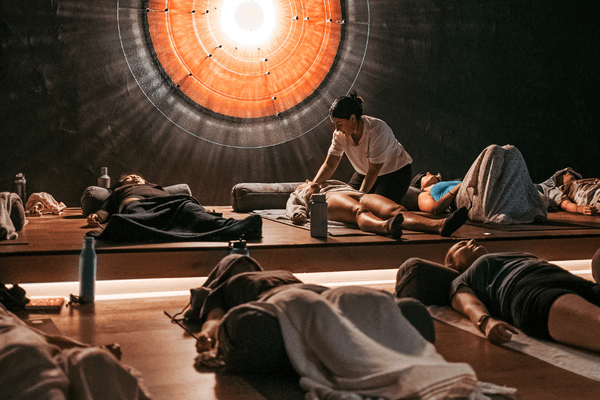
One Playground Classes: Discover the power of Breathwork
Transform your nervous system with One Playground Breathwork classes. Boost focus with Dynamic Release or relieve stress with Deep Calm. Discover how.

How to Wake Up Early (Even If You Really, Really Aren't a Morning Person)
Not a morning person? Learn how to wake up early with science-backed habits, circadian rhythm hacks, and simple morning routines. Read the full guide now.