How to Get Better, Deeper Sleep
How to Get Better, Deeper Sleep
By One Playground
Most of us know sleep matters. But there's a difference between logging eight hours in bed and actually restoring your body and mind. Deep, quality sleep is the single most powerful thing you can do for your energy, mood, focus, and long-term health, and almost nobody is getting enough of it.
Not All Sleep Is Created Equal
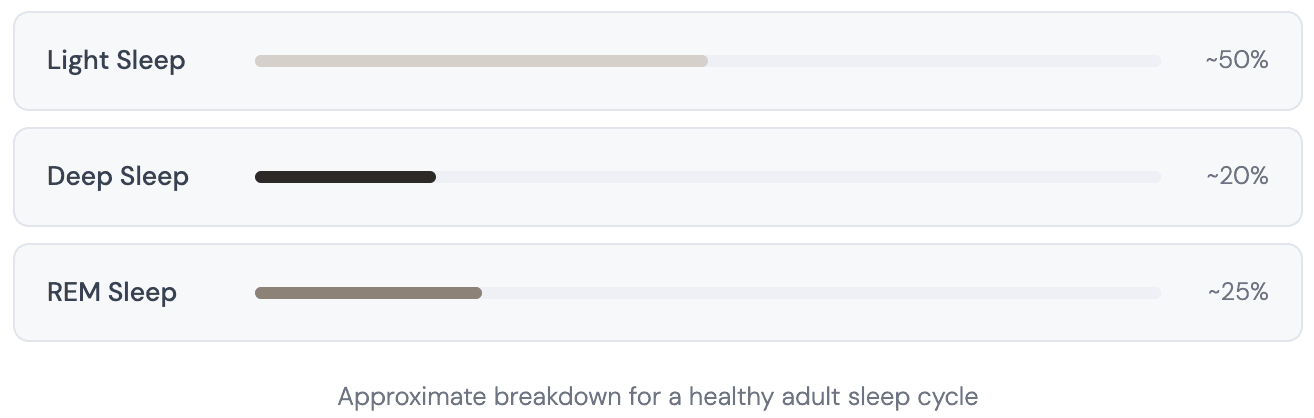
Your brain cycles through several sleep stages throughout the night. The stage that does the real heavy lifting is slow-wave deep sleep, also called N3 or delta sleep. During this phase, your body releases growth hormone, repairs tissue, consolidates memories, and clears metabolic waste from the brain through the glymphatic system.
REM sleep, the dream-rich phase, handles emotional regulation and creative thinking. Together, deep sleep and REM are where the magic happens. Light sleep? It's essentially the waiting room.
Temperature Is Your Secret Weapon
Your core body temperature needs to drop by about 1-2°C to initiate and maintain deep sleep. This is why you naturally feel drowsy in a cool room, and why a hot bedroom is such an enemy of good sleep.
Keep your bedroom between 16-19°C (61-67°F), cooler than most people instinctively set it. A warm shower or bath 1-2 hours before bed actually helps: it draws blood to your skin surface, releasing heat from your core and accelerating the temperature drop that invites deep sleep.
Your bedroom should feel almost uncomfortably cool when you first get in. Your body will warm up the bed, and your sleep will deepen as your core stays cool.
Light Is the Master Switch
Light is the most powerful signal your brain uses to set its internal clock. Morning sunlight, even on a cloudy day, triggers a cortisol spike that sharpens alertness and, crucially, sets a timer for melatonin release roughly 12-16 hours later. Skip morning light, and that timer never gets set properly.
In the evening, bright light and especially blue-wavelength light from screens suppresses melatonin by up to 50%. Dim your home lighting after sunset. Use warm, amber-toned bulbs. Put your phone across the room.
Morning light ritual
Get outside within 30-60 minutes of waking. Even 10 minutes of natural light sets your circadian clock for the whole day.
Amber evenings
Switch to warm, dim lighting 2 hours before bed. Your brain reads bright white light as "midday" and delays sleep hormones.
Screen sunset
Charge your phone outside the bedroom. The mere presence of a device increases arousal, out of sight, out of mind.
Total darkness
Even small amounts of light through closed eyelids can reduce deep sleep. Blackout curtains or a sleep mask make a measurable difference.
Consistency Beats Everything Else
A consistent sleep-wake schedule is the single most impactful habit for sleep quality, more than any supplement, gadget, or technique. Your circadian rhythm thrives on regularity.
When you go to bed and wake at the same time every day (including weekends), your body learns to pre-warm for sleep and to prime itself for waking, so you fall asleep faster and wake up more naturally refreshed.
"Sleeping in" on weekends feels good but creates social jetlag, shifting your internal clock by 1-2 hours, making Monday morning feel like flying back from a different time zone.
Fix your wake-up time first. It's the anchor. Everything else, when you feel sleepy, when melatonin rises, when deep sleep peaks, follows from that single point.
Caffeine & Alcohol: The Hidden Disruptors
Caffeine has a half-life of 5-7 hours. That afternoon coffee at 3pm means a quarter of it is still circulating in your blood at midnight, actively blocking adenosine, the chemical your brain uses to build sleep pressure. Cut caffeine by midday if you want deep sleep.
Alcohol is a sleep trap. It may help you fall asleep faster, but it fragments sleep architecture dramatically, suppressing REM, causing early waking, and reducing the restorative deep sleep phases. You'll log the hours but wake feeling wrung out. If you drink, finish at least 3-4 hours before bed and hydrate well.
Build a Wind-Down Routine That Works
Sleep isn't a switch; it's a gradual dimming. Your nervous system needs a transition period to shift from the alert, problem-solving mode of the day into the calm, receptive state sleep requires. A consistent pre-sleep ritual acts as a biological cue that tells your brain: we're done now.
3 hrs before bed
Finish your last big meal. Digestion keeps your metabolism and temperature elevated, both enemies of deep sleep.
90 mins before
Warm bath or shower. Helps drop core body temperature once you step out, signalling sleep readiness.
60 mins before
Dim the lights. Light reading, stretching, journaling, or gentle conversation. Avoid anything emotionally activating.
30 mins before
Write a short to-do list for tomorrow. Offloading open loops from your mind reduces the rumination that delays sleep onset.
Lights out
Cool, dark, quiet room. Phone out. Same time every night. Let sleep come to you.
Move Your Body, Quiet Your Mind
Regular exercise is one of the most powerful enhancers of slow-wave deep sleep, particularly aerobic exercise and resistance training. Even a 20-minute walk raises adenosine levels, increasing your sleep drive. Aim for most exercise in the morning or afternoon; intense training within 2 hours of bed can delay sleep onset in some people.
Chronic stress and anxiety are among the leading causes of poor sleep. The stress hormone cortisol is directly antagonistic to melatonin. Practices like meditation, deep breathing (try box breathing: 4 counts in, 4 hold, 4 out, 4 hold), or even just 10 minutes of quiet sitting before bed can measurably reduce nighttime cortisol and improve sleep depth.
Wake Up to a Better You
Deep sleep isn't a luxury reserved for people with perfect schedules. It's a skill, one you can build, layer by layer, with a handful of consistent habits. Start with one change tonight. Pick your wake time and hold it. Let the rest follow.
More Articles
One Playground Classes: Discover the power of Breathwork
Transform your nervous system with One Playground Breathwork classes. Boost focus with Dynamic Release or relieve stress with Deep Calm. Discover how.
How to Wake Up Early (Even If You Really, Really Aren't a Morning Person)
Not a morning person? Learn how to wake up early with science-backed habits, circadian rhythm hacks, and simple morning routines. Read the full guide now.
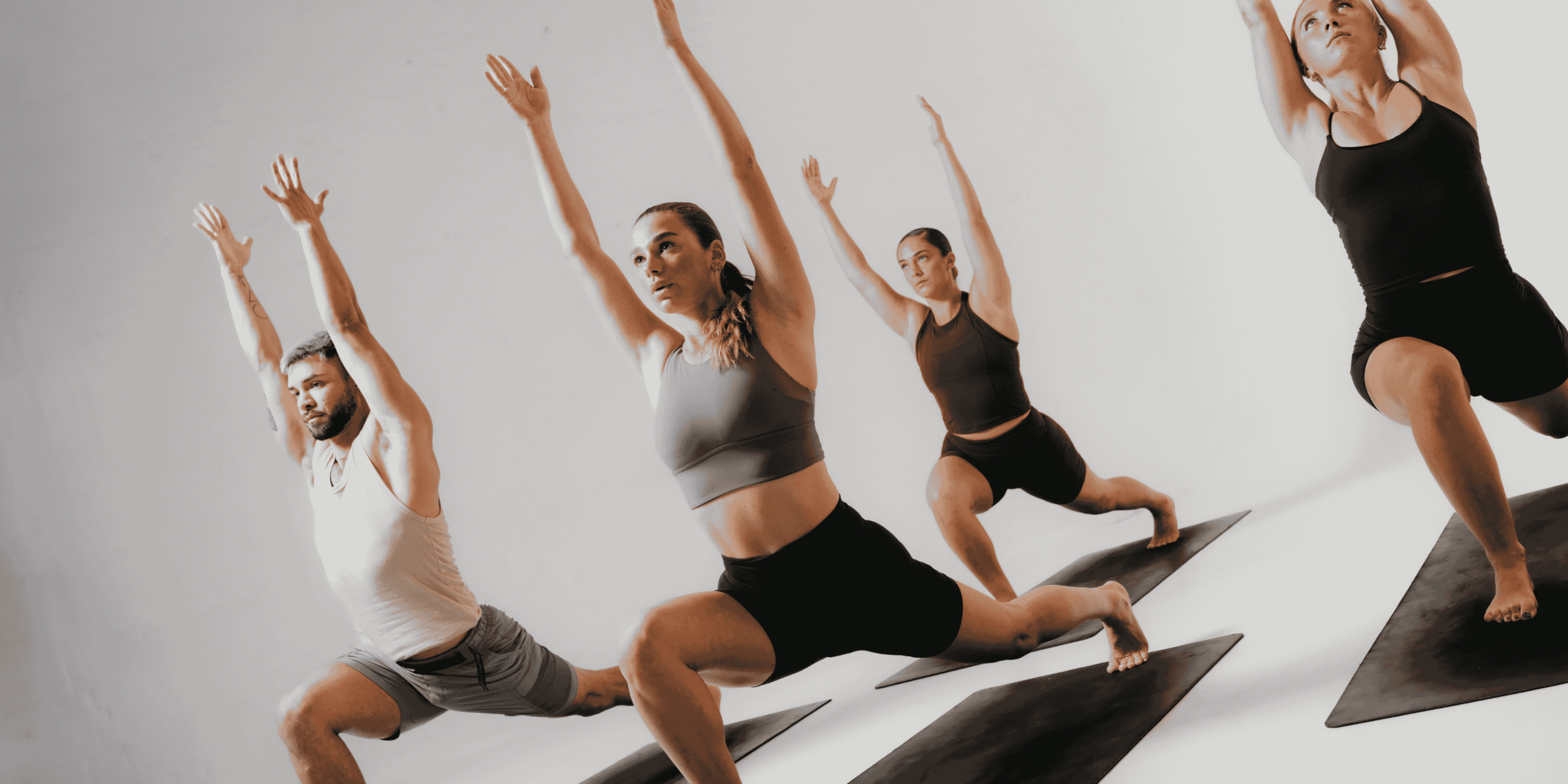
Yoga Classes for Strength vs Flexibility: Find Your Ideal Practice
Not yoga is created equal. While some yoga classes are designed to build strength, endurance and stability, others focus on deep stretching and mobility training.