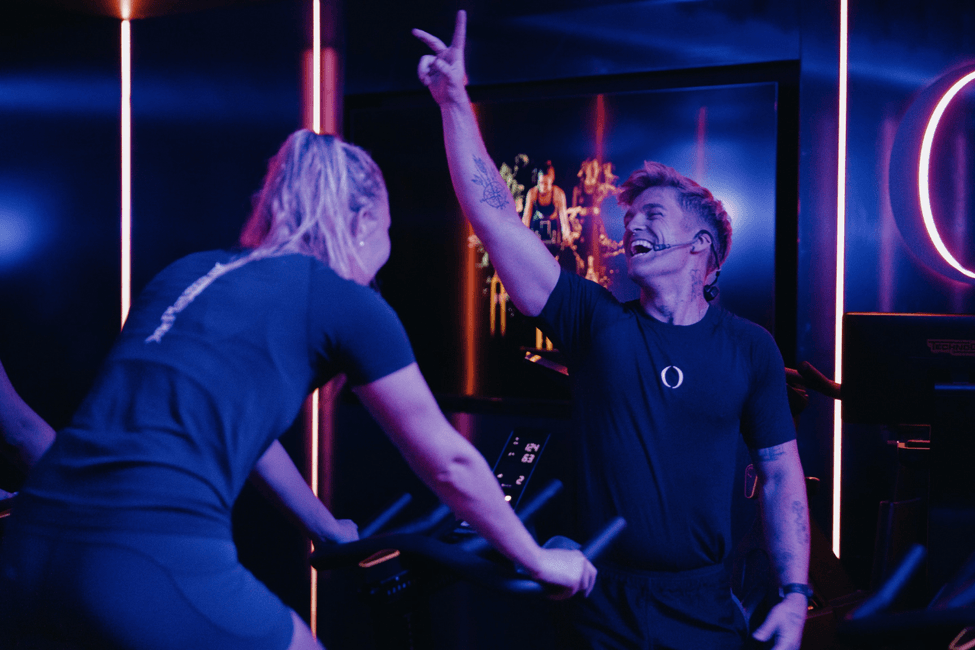
Spin Classes vs HIIT: Comparing Calorie Burn and Training Impact
Spin Classes vs HIIT: Comparing Calorie Burn and Training Impact
By One Playground
Walk into any gym right now, and you will find two formats drawing some of the biggest crowds: spin classes and HIIT workouts. Both are known for their intensity. Both attract people who want real results. And both come with a loyal following that swears one is better than the other.
But which one is the best to go to if you’re looking to burn some serious calories?
The reality is that the answer depends entirely on what you are training for. Whether your goal is fat loss, building cardiovascular endurance, or finding a cardio workout that fits your schedule and energy levels, understanding how these two formats actually work will help you make a better decision and get more out of every session.
At One Playground, we offer both, and we see firsthand how people respond to each. Here is a clear breakdown to help you find your fit.
What Are Spin Classes?
Indoor cycling classes are cardio workouts performed on stationary bikes, designed to improve cardiovascular fitness through a combination of resistance, speed, and interval-based effort. Riders adjust their own resistance and pace throughout the session, making every class adaptable to different fitness levels.
A typical spin class moves through a sequence of steady-state riding, climbs with heavier resistance, and sprint intervals. Instructor cues, music, and lighting work together to drive effort, and the format means you can always scale the intensity up or down based on how you feel on the day.
The benefits of spin class go well beyond calorie burn. Regular indoor cycling builds genuine leg strength and muscular endurance, improves cardiovascular capacity over time, and because the movement is low-impact, it places far less stress on joints than many other forms of cardio. For anyone managing niggles, recovering from an injury, or simply wanting a cardio option that is kind to the body, spin is worth serious consideration.
At One Playground, our indoor cycling classes take place in an immersive studio environment with TechnoGym equipment, expert instructors, and the option to join live or virtual sessions. Beginners are welcome, and the adjustable resistance means there is no such thing as arriving unprepared.
What Are HIIT Workouts?
HIIT (High-Intensity Interval Training) structures workouts around repeated bursts of near-maximum effort, separated by short recovery periods. The format is deliberately challenging because that intensity gap between the work and rest phases is what drives the cardiovascular and metabolic adaptations that make HIIT so effective.
A standard HIIT session draws from a wide movement library: sprints, skipping, bodyweight exercises, and a range of functional movements that keep sessions varied and engaging. Classes typically run for 45 to 60 minutes and are designed to push participants hard, then give them just enough recovery to go again.
The benefits reach beyond the session itself. HIIT workouts boost metabolism, support fat loss, improve agility and muscular endurance, and have a well-documented positive effect on mood and mental resilience. They also translate well to broader athletic performance, since the work-rest structure mirrors the demands of many sports and physical activities.
Our HIIT Classes at One Playground are led by coaches who focus on both intensity and technique, keeping sessions safe and effective for everyone from first-timers through to experienced athletes. The group environment makes a genuine difference to output, and the varied formats mean no two sessions feel the same.
Spin Classes vs HIIT: How Does Calorie Burn Actually Compare?
This is the question most people want answered when they search what exercise burns the most calories. The honest answer is that it depends on several variables, and format alone tells you less than you might expect.
Calorie burn is shaped by:
- Workout intensity and how hard you are actually pushing
- Total duration of effort
- Individual body composition and fitness level
- The resistance or workload applied throughout
Spin classes tend to deliver consistent, sustained calorie expenditure across the full session. Because riders control their own resistance, someone who pushes hard throughout a 45-minute class will burn a significant amount of energy at a relatively steady rate. The low-impact nature of the movement also means that effort can be maintained for longer without the fatigue that sometimes cuts higher-impact workouts short.
HIIT workouts are designed for concentrated intensity. Calorie burn during the session can be rapid, and the format may also trigger EPOC (excess post-exercise oxygen consumption), the physiological response that keeps your body burning calories at an elevated rate in the hours after training. This afterburn effect is one of the reasons HIIT has a strong reputation for supporting fat loss.
In practical terms, both formats can produce meaningful calorie burn across a session. The bigger driver is how hard you work within the structure, not the format itself. A spin class ridden with low resistance for 45 minutes will not outperform a HIIT class where someone is genuinely working at their limit, and vice versa.
Low-Impact vs High-Impact Cardio: Why It Matters
One of the most important factors when choosing between these two formats is the physical demand they place on the body beyond pure intensity, specifically the difference between low-impact training and higher-impact movement patterns.
Spin classes sit firmly in the low-impact category. The smooth, cyclical pedalling motion means there is no landing force, no jarring through the knees or hips, and no sudden changes of direction. For people managing joint discomfort, returning from injury, or simply wanting a cardio option that allows for more training frequency without the wear and tear, indoor cycling workouts offer a reliable path to high-calorie output with minimal structural stress.
HIIT workouts, depending on the class format, often incorporate jumping, sprinting, and explosive movements that place a higher demand on joints, connective tissue, and the musculoskeletal system as a whole. This is not a drawback for most people, but it is a consideration worth understanding. Proper coaching, good technique, and adequate recovery are important ingredients in making high-impact cardio training sustainable over the long term.
Choosing between low-impact and higher-impact training comes down to your current physical condition, your recovery capacity, and your broader training schedule. Many members find that rotating between the two is the most intelligent approach.
Which Workout Aligns With Your Goals?
Both formats deliver genuine results. The question is which one maps best to what you are actually trying to achieve.
Fat loss
HIIT workouts create a strong metabolic stimulus and may support calorie burn beyond the session through EPOC. For people whose primary goal is shifting body composition, the intensity of HIIT is hard to match.
Cardiovascular endurance
Spin classes are exceptionally well-suited to building sustained aerobic capacity. The ability to ride at controlled intensity across a longer session makes indoor cycling one of the best cardio workouts for endurance development.
Joint-friendly training
Cycling vs HIIT becomes a clear choice here. For anyone who needs to manage load through their joints, spin offers a low-impact environment with no sacrifice to cardiovascular intensity.
Time efficiency
HIIT workouts are structured to deliver maximum stimulus in a compressed timeframe, making them an effective option when training time is limited.
Consistency and variety
A combination of both formats typically produces the best long-term results. Rotating between spin and HIIT keeps the body adapting, reduces the risk of overuse patterns, and makes it far easier to stay motivated across weeks and months of training.
Using Both for Better Results
Spin classes and HIIT workouts challenge the cardiovascular system in genuinely different ways. Spin builds aerobic capacity through sustained, controlled effort. HIIT develops the ability to repeatedly push to high intensity and recover quickly. Training both systems produces fitter, more resilient athletes than focusing on one alone.
Practically, this looks like using spin sessions to build your aerobic base and improve recovery between efforts, while HIIT provides the high-intensity stimulus that drives metabolic adaptation and increases overall work capacity. The formats complement each other well, and many members find that their HIIT performance improves measurably when they add regular indoor cycling to their weekly schedule.
Our fitness classes at One Playground are built around this philosophy. Whether you are working toward better endurance, leaner body composition, or simply building a sustainable cardio habit you can maintain across the year, our coaches are here to help you structure your training in a way that makes sense for where you are right now.
If you want to understand more about what spin can do specifically, our guide to the benefits of spin class is a good place to start. And if you are ready to experience both, come and try a class.
More Articles
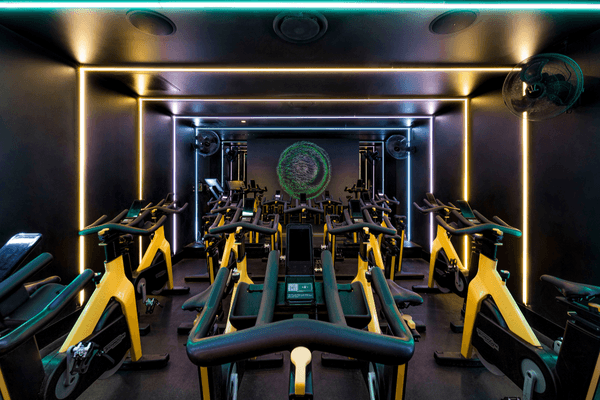
Spin Classes for Beginners: What to Expect in Your First Ride
New to indoor cycling? Discover what to expect in your first spin class, from bike setup and gear tips to workout structure.
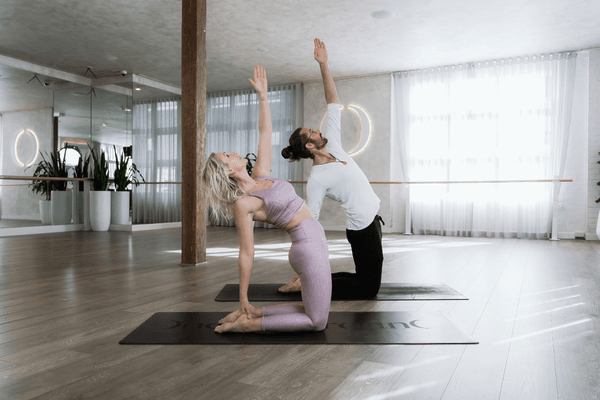
Finding Your Flow: How Often Should You Do Yoga If You Train at the Gym?
Discover how to integrate yoga into your gym routine to improve mobility, accelerate recovery, and boost performance
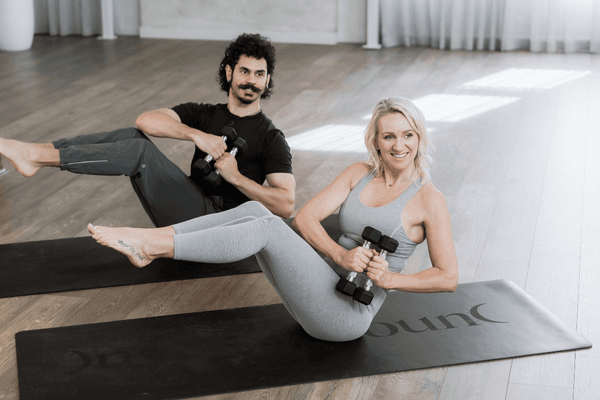
Pilates for Lower Back Pain and Tight Hips: What to Expect
Discover how Reformer Pilates improves spinal health, core stability, and hip mobility to relieve lower back pain.