Best Running Shoes for Beginners: A Complete Guide
Best Running Shoes for Beginners: A Complete Guide
By One Playground
Picking your first pair of running shoes can feel more complicated than it needs to be. There's heel drop, carbon plates, stack height, and a wall of technical language that doesn't mean much until someone breaks it down for you.
Whether you're easing into regular runs, training for City2Surf, or working toward your first marathon, the right shoe makes the difference between a comfortable build-up and a frustrating one.
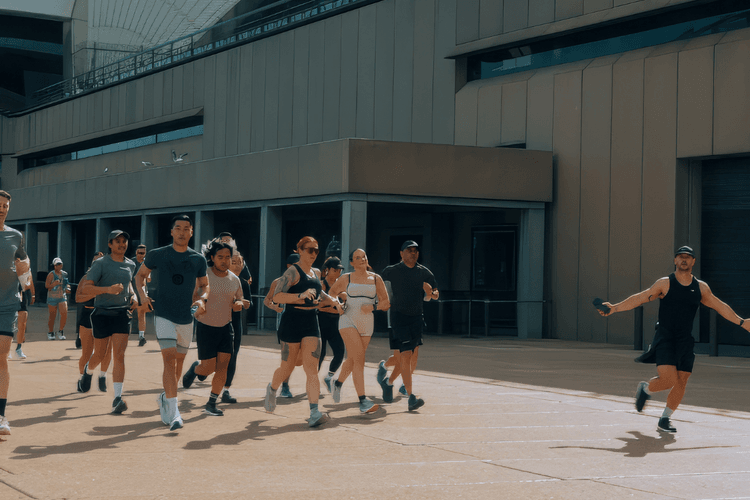
We asked Jen Irvine, our One Run leader, what she recommends for runners just starting out. Here's her guide to choosing a shoe that will support you through training and beyond.
Focus on the Heel Drop
Heel drop is the difference in height between the heel and forefoot of a shoe, and it plays a bigger role in your comfort than most beginners realise.
For new runners, Jen recommends a heel drop of 8mm to 12mm.
This range gives you support through training and as your distances grow, particularly once hills come into the picture. Heartbreak Hill on the City2Surf course is a good example. Climbing puts extra load through your Achilles, and a higher heel drop helps take some of that strain off. If you're training for a flatter event or just building your weekly kilometres, the same principle still applies. Your Achilles and calves are adapting to a new demand, and a bit of extra support goes a long way while that happens.
As a new runner, you're also still building ankle stability, and a shoe in this range gives you a bit more security underfoot while that develops.
Aren’t Carbon Plated Shoes a Quick Way to Get Speed?
Carbon plated shoes have become popular for their speed benefits, but they're not always the right starting point. These shoes typically sit around a 4mm heel drop, which is a much lower, more aggressive profile.
If you're not used to running in this kind of shoe, that low drop can catch you out. It's a highly specced shoe built for runners who already have the strength and technique to handle it. For someone new to running, whether you're training for a specific event or simply getting into the habit, it can end up working against you rather than for you.
Coach Jen’s Top 3 Running Shoe Recommendations for Beginners
None of this means you have to give up on feeling fast. There are plenty of shoes that combine the support of a higher heel drop with a bit of pop underfoot, so you can still push your pace without sacrificing stability.
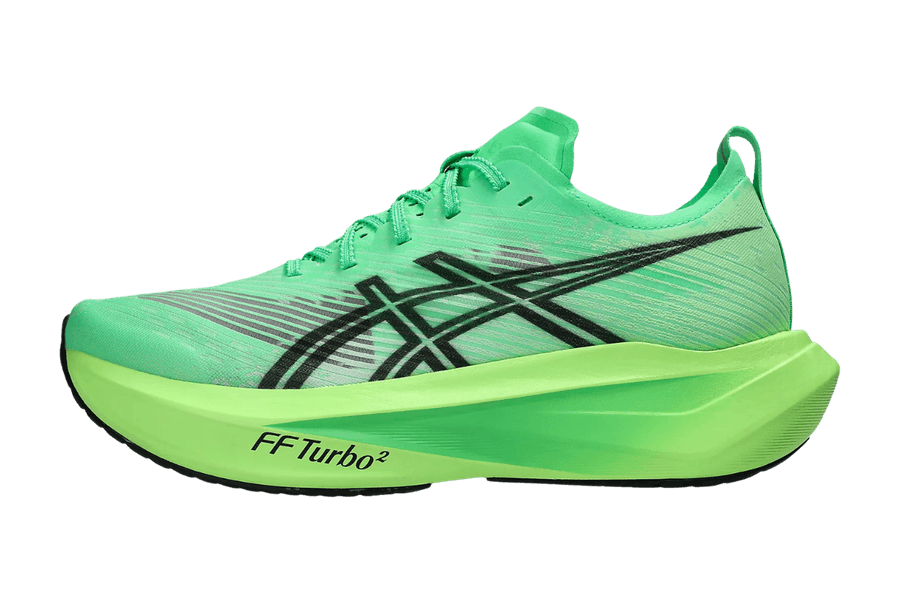
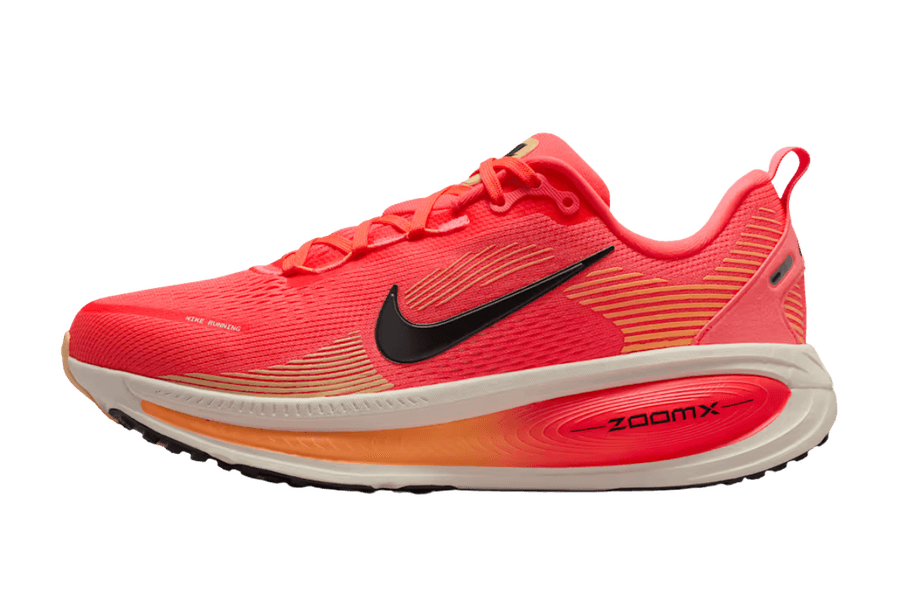
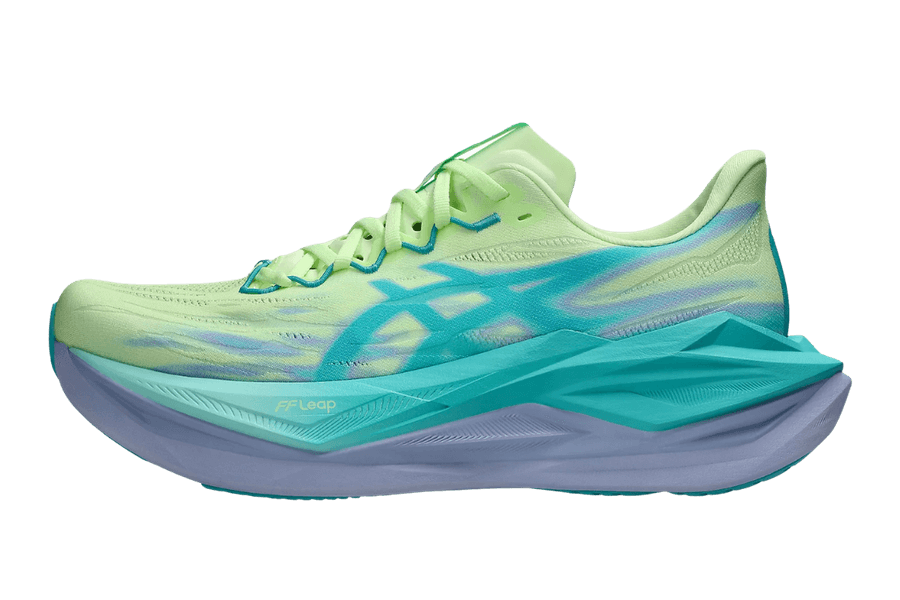
All three of Jen’s recommended running shoes strike the balance between support and speed and work well as a shoe you can wear for everyday training as well as race day.
1. Asics Megablast
2. Nike Vomero
3. Asics Superblast 3
You Don't Need a Shoe Rotation yet
Some runners like to rotate between a few different pairs for different sessions. If you're new to running, don't worry about that yet. What matters far more is having one solid, well-supported pair that you wear consistently as you build your fitness.
The Biggest Tip of All: Don’t Do Anything New on Race Day
If you do have an event on the calendar, start training in that shoe several weeks out so your body has time to adjust. Never wear a brand new pair for the first time on race day. Your feet need the miles in training to know exactly how that shoe behaves before you ask them to carry you the full distance.
Ready to start training?
Whether you're chasing a City2Surf finish line or just want to build running into your weekly routine, One Run is a great place to start, with people at all levels and paces.
Join our 6-week training block and remove the guess work from your training. Designed by ultramarathon runner, Jen Irvine, and led by One Playground superstar coaches, this program sets you up for success by incorporating tempo runs, intervals, long runs and a final shakeout run to have you race-day ready.
- Newtown: Mondays at 6am. More Info >
- North Sydney: Tuesdays 6am. More Info >
- Darling Harbour: Wednesdays at 6am. More Info >
- Marrickville: Saturdays at 7am. More Info >
More Articles
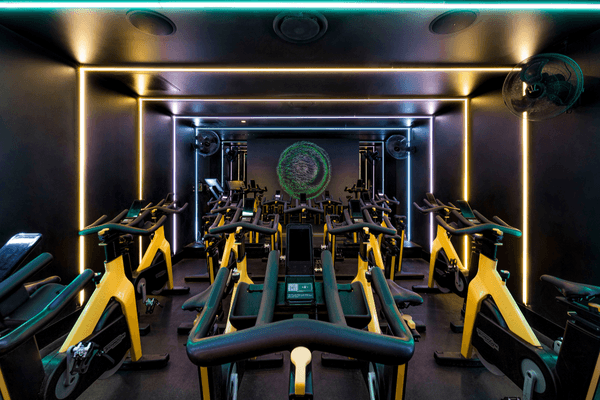
Spin Classes for Beginners: What to Expect in Your First Ride
New to indoor cycling? Discover what to expect in your first spin class, from bike setup and gear tips to workout structure.
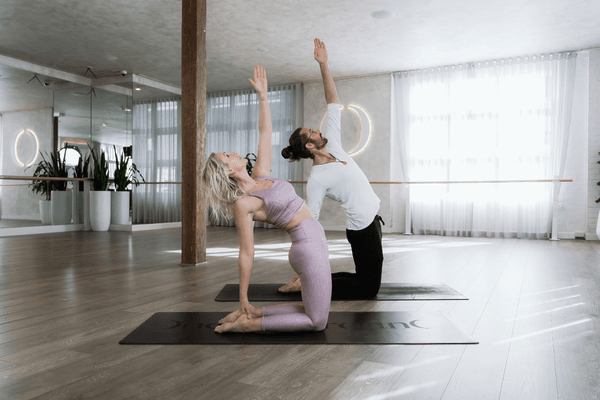
Finding Your Flow: How Often Should You Do Yoga If You Train at the Gym?
Discover how to integrate yoga into your gym routine to improve mobility, accelerate recovery, and boost performance
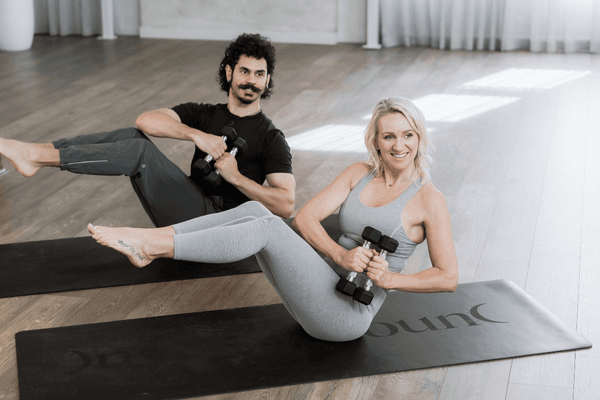
Pilates for Lower Back Pain and Tight Hips: What to Expect
Discover how Reformer Pilates improves spinal health, core stability, and hip mobility to relieve lower back pain.