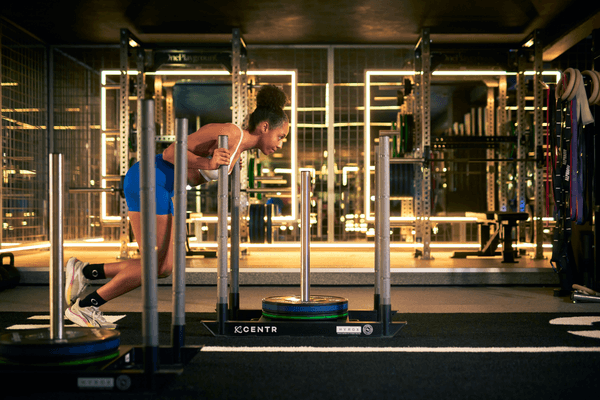
Built for Life: Understanding Functional Strength Training
Built for Life: Understanding Functional Strength Training
By One Playground
Most people who start strength training aren't chasing a bigger lift number for its own sake. They want to carry the shopping in one trip, get off the floor without thinking about it, or keep up with a weekend hike without their knees complaining for a week after. That's the real appeal of functional strength training, and it's worth understanding properly rather than treating it as just another gym buzzword.
What Functional Strength Training Actually Means
Functional strength training builds the body to handle real movement patterns rather than isolating single muscles for size or shape. Where a traditional bicep curl or leg extension trains one joint in one plane, a kettlebell swing, a loaded carry or a split squat asks the whole body to work together the way it does outside the gym.
The exercises tend to fall into recognisable categories: squatting and hinging patterns, pushing and pulling movements, rotation and anti-rotation work, and carries that challenge grip, posture and core control all at once. None of it is complicated. What makes it functional is the intent behind the movement, training the body as an integrated system rather than a collection of separate parts.
At One Playground, this shows up most clearly in classes like Hour Of Power, where sleds and kettlebells combine into full-body work, and in the structured programming of Total Force, which builds deadlifts and accessory work into a progressive twelve-week cycle.
Why It Supports Everyday Movement
Daily life rarely asks the body to move in isolation. Reaching into an overhead cupboard, twisting to grab something from the back seat, or lowering into a chair all draw on multiple joints and muscle groups at once. Functional training conditions the body for exactly this kind of demand, which is part of why the effects show up so quickly outside the gym.
People who train this way often notice the change in ordinary tasks before they notice it in the mirror. Stairs feel easier, getting up from the floor after playing with kids or pets takes less effort, and posture improves simply because the muscles responsible for holding the body upright are being trained directly, rather than left to fend for themselves while isolated muscles get all the attention.
Performance Benefits Beyond the Gym Floor
For anyone with a specific goal, whether that's running further, playing weekend sport or simply having more energy through the week, functional strength work builds the foundation that other training sits on top of. Stronger hips and a more stable core translate into better running economy. A well-trained posterior chain supports everything from cycling to swimming to court sports.
This is also where coordination comes in. Functional movements typically involve balance, timing and control alongside raw strength, so the body gets better at organising itself under load. Over time, that coordination becomes almost automatic, showing up in how confidently someone moves through space, whether that's stepping off a kerb, catching themselves after a stumble, or adjusting mid-stride on uneven ground.
Injury Prevention and Long-Term Resilience
One of the most practical arguments for functional training is what it does for joint health and injury resistance. Many common injuries, particularly around the lower back, knees and shoulders, come from muscles that are individually strong but poorly coordinated with the muscles around them. Functional training addresses this directly by strengthening stabilising muscles alongside the larger movers, and by training movement patterns under control rather than just building isolated strength.
This matters as much for someone training for a specific event as it does for someone simply wanting to stay capable and independent as they get older. Building resilient joints and connective tissue now is one of the more useful investments a person can make in their future mobility. It's a big part of why our Strong class pairs heavy compound lifts with targeted accessory work rather than treating them as separate goals.
Making Training More Meaningful
There's something different about training for capability rather than appearance alone. Functional strength work gives people a way to measure progress that goes beyond the mirror, whether that's an easier time carrying luggage through an airport, more confidence on a hiking trail, or simply moving through a workday with less fatigue and tension.
That shift in focus tends to make training more sustainable too. Chasing aesthetic goals can wear thin, but noticing that everyday life has genuinely gotten easier is harder to dismiss. It gives people a reason to keep showing up that has nothing to do with how they look in a particular outfit.
Getting Started With Functional Training
Functional training suits a wide range of experience levels because the movements can be scaled by load, range and complexity rather than needing to be relearned from scratch. Someone new to strength training might start with bodyweight squats, hinges and carries before progressing to loaded variations, while someone more experienced can add complexity through tempo, unilateral work or combined movements.
If you're looking for a structured way in, our Mobility class is a useful starting point for building the range of motion functional training relies on, while Total Build offers a time-efficient introduction to full-body strength work with expert coaching throughout.
Train With Purpose at One Playground
Functional strength training isn't about following a trend. It's about building a body that holds up to whatever life asks of it, in the gym and everywhere else.
If you're ready to feel the difference in how you move, book a free class at One Playground and find the functional training class that fits where you're starting from.
More Articles
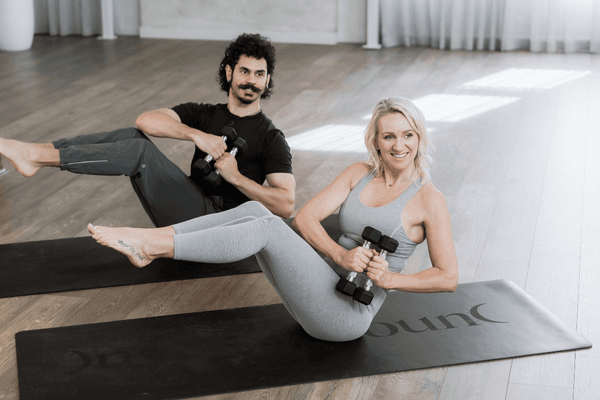
Pilates for Lower Back Pain and Tight Hips: What to Expect
Discover how Reformer Pilates improves spinal health, core stability, and hip mobility to relieve lower back pain.
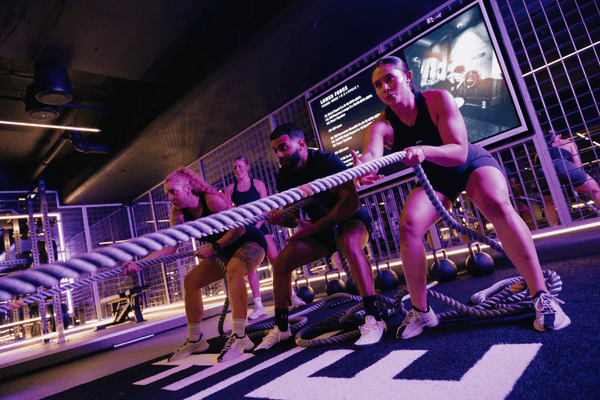
Group Classes vs Personal Training: What's Best for Your Goals?
Discover whether group fitness classes or 1:1 personal training fits your goals, budget, and lifestyle. Compare coaching, accountability, and results at One Playground.
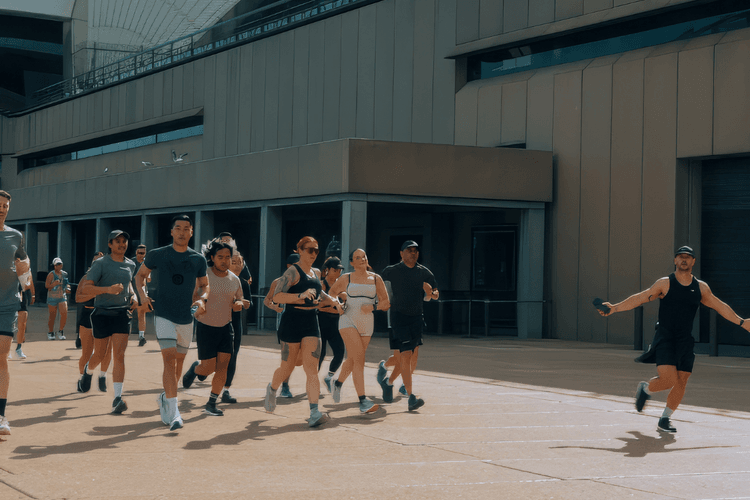
Best Running Shoes for Beginners: A Complete Guide
New to running? Here's how to choose the right running shoes for training and race day, with picks from One Run leader Jen Irvine.