
Should You Do Cardio Before or After Weights
Should You Do Cardio Before or After Weights
By One Playground
If you've spent any time in a gym, you've probably wondered whether you should hop on the treadmill before touching a barbell, or whether it even matters. It's one of those questions that gets a surprising amount of conflicting advice, partly because the answer is genuinely context-dependent. But once you understand the logic behind it, the decision becomes fairly straightforward.
Why Order Actually Matters
Your body doesn't compartmentalise effort the way your training plan might suggest it does. When you do cardio first, you're drawing on the same energy systems and neuromuscular resources you'll need for lifting. By the time you get to the weights, your muscles are already partially fatigued, which means you're likely to lift less, move with slightly worse form, and get less out of the session overall.
There's research to back this up. Studies on concurrent training (combining cardio and strength in the same session) consistently show that performing aerobic exercise before resistance training reduces force output and power during the strength portion. The effect is more pronounced with high-intensity cardio and less significant after light or moderate efforts, but it's there regardless.
The reverse is also true to some degree. Lifting before cardio will affect how that cardio session feels, but the impact tends to be less severe, because steady-state aerobic work draws more heavily on oxidative pathways rather than the fast-twitch muscle fibres and CNS resources that strength training demands.
None of this means one approach is wrong. It means sequencing your training to match your actual goals makes a real difference to what you get out of each session.
If Your Goal Is Strength or Muscle
Lift first, without question. Strength work demands the most from your central nervous system, and you want that system fresh when you're moving heavy loads or performing technical movements like deadlifts, cleans, or overhead pressing. Doing a 40-minute run beforehand and then expecting a productive strength session is optimistic at best.
Pre-fatigue from cardio doesn't just affect how much you can lift. It affects your coordination and stability, which matters for compound movements where form is everything. A tired athlete moves sloppily, and sloppy movement under load increases injury risk over time.
After your weights session, cardio is a different story. A 20-to-30-minute effort on the bike, rower, or treadmill won't compromise your strength gains if your lifting is already done, and it can actively support recovery by increasing blood flow to the muscles you've just worked. Keep the intensity moderate and treat it as a complement to the session rather than a second main event.
If Your Goal Is Cardiovascular Fitness or Endurance
Lead with cardio. If you're training for a run, building your aerobic base, or working on conditioning, your cardio deserves your full energy and attention. You want to be able to push into the efforts that actually drive adaptation, threshold intervals, longer steady-state work, tempo runs, and those are much harder to execute well on tired legs.
Strength training done afterward can still be genuinely valuable. Resistance work supports muscular endurance, reduces injury risk, and addresses the muscular imbalances that endurance athletes tend to develop over time. But it should play a supporting role, structured and paced accordingly, rather than compete with the main session.
If Your Goal Is General Fitness or Body Composition
For most people training for overall health, fitness, and body composition, the order matters less than they think, and far less than showing up consistently. A useful principle is to start with whatever you care about most. The quality you most want to improve should come while your energy is highest and your focus is sharpest.
One thing worth distinguishing here: a short cardio warm-up before weights is different from a full cardio session. Five to ten minutes of easy movement, a light jog, some rowing, cycling at low resistance, raises your core temperature, gets blood moving, and helps you feel more prepared without meaningfully draining your energy reserves. Most people find this improves their strength session rather than detracts from it. That's not the same as running 5km and then trying to squat.
If you're doing a true hybrid session where both components matter, try to keep the cardio portion lower intensity if it's coming first, and save higher-intensity efforts for the end of the session or a separate day.
What About Doing Them on Separate Days?
If your schedule allows it, splitting cardio and strength into separate sessions or separate days entirely removes the sequencing question altogether. You get to train each quality without compromise, which is why most coaches and athletes favour this structure when it's practical.
Even separating them within the same day helps. A morning run and an afternoon weights session gives your body several hours to partially recover, which meaningfully reduces the interference effect compared to doing both back to back. If you have the flexibility, this is worth considering.
A Few Other Things Worth Knowing
Nutrition timing plays into this too. If you're training fasted or on low fuel, the order of your session can amplify how quickly you fatigue, so it's worth being aware of what you've eaten before deciding how to structure things.
Recovery between sessions also matters more than most people account for. If yesterday was a hard leg day, doing a long run today, regardless of where you place it in your session, is going to feel like a lot. Training order within a session is one variable among several, and it works best when considered in the context of your full week of training, not just the hour in front of you.
The Bottom Line
Train in the order that serves your goal. Strength and muscle: weights first. Endurance and conditioning: cardio first. General fitness: lead with your priority and don't overthink the rest. The best structure is the one you can sustain consistently, and one that leaves you feeling like you actually trained, rather than just got through it.
More Articles
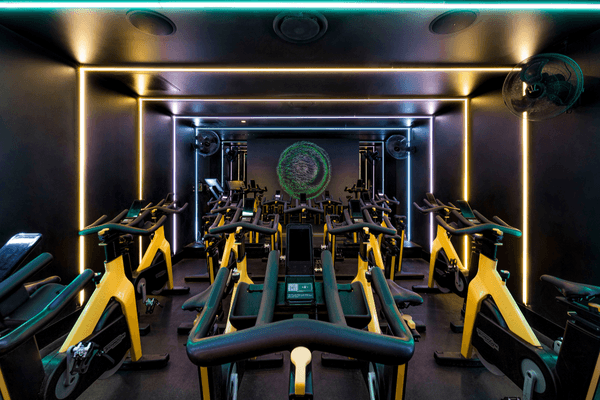
Spin Classes for Beginners: What to Expect in Your First Ride
New to indoor cycling? Discover what to expect in your first spin class, from bike setup and gear tips to workout structure.

Finding Your Flow: How Often Should You Do Yoga If You Train at the Gym?
Discover how to integrate yoga into your gym routine to improve mobility, accelerate recovery, and boost performance
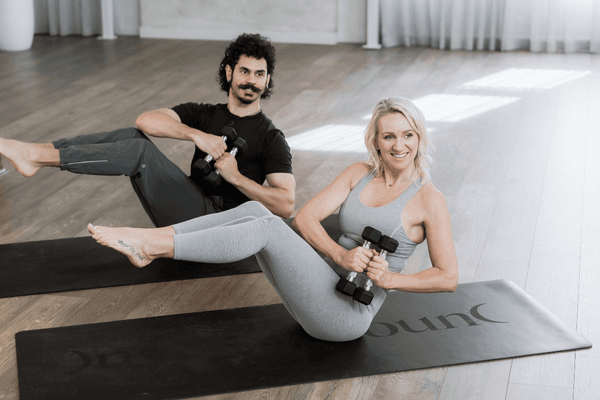
Pilates for Lower Back Pain and Tight Hips: What to Expect
Discover how Reformer Pilates improves spinal health, core stability, and hip mobility to relieve lower back pain.