
Back in the Game (Safely!): Working Out After a Lower Back Injury
Back in the Game (Safely!): Working Out After a Lower Back Injury
By One Playground
That familiar ache. That twinge that sent shivers down your spine. A lower back injury can sideline even the most dedicated gym-goer, leaving you frustrated, deconditioned, and maybe even a little fearful of re-injury. But the good news is that you can return to the weights and movements you love with a slow and steady approach.
This post is your guide to navigating that return after a back injury, addressing those understandable fear barriers, and providing the tools to rebuild your strength and confidence safely. Remember, this is a marathon, not a sprint. Patience and consistency are your best allies.
Coach Gemma is here to help you navigate your return to the gym in a safe and enjoyable manner!
How to Work Out After a Lower Back Injury
Step 1: Overcoming the Fear Factor
Feeling apprehensive about returning to the gym after a lower back injury is normal. Thoughts like “What if it happens again?” or “Will I ever be able to lift heavy again?” are common and valid.
How to Tackle Those Fear Barriers
- Acknowledge Your Feelings: Don’t dismiss your fear. Recognising it is the first step to overcoming it. Talk to your doctor, physiotherapist, or a trusted trainer about your concerns.
- Educate Yourself: Understand the nature of your injury and the healing process. Knowledge empowers you to make informed decisions about your training.
- Start Small and Slow: Resist the urge to return to your previous routine. Begin with light weights, controlled movements, and shorter sessions. Success breeds confidence.
- Focus on What You Can Do: Instead of dwelling on limitations, celebrate what your body can handle. This positive mindset will fuel your progress.
- Listen to Your Body (Seriously!): This is paramount. Any sharp or radiating pain is a red flag. Learn to differentiate between discomfort and pain. Don’t push through pain.
- Seek Professional Guidance: A qualified physiotherapist or a trainer experienced in rehabilitation can create a tailored plan and guide you through the initial stages.
Step 2: Laying the Groundwork with Essential Warm-up Exercises
Before even thinking about lifting, a thorough warm-up is crucial to prepare your body and minimise the risk of re-injury. Focus on gentle movements that increase blood flow and mobility:
- Gentle Cardiovascular (5-10 minutes): Low-impact activities like walking on a treadmill, using an elliptical, or light cycling can warm up your muscles without putting excessive stress on your back.
- Cat-Cow Stretch: Gently arch and round your back while on your hands and knees, coordinating with your breath.
- Hip Circles: Stand with your feet shoulder-width apart and gently rotate your hips clockwise and counter-clockwise.
- Leg Swings (Forward & Sideways): Gently swing your legs forward and backward, then sideways, to activate hip flexors and abductors. Hold onto something for balance if needed.
- Thoracic Rotations: Sit with your knees bent and feet flat on the floor. Place your hands behind your head and gently rotate your upper torso from side to side, keeping your hips stable.
- Dynamic Stretching for Mobility (5-10 minutes): Focus on movements that improve the range of motion in your hips, spine, and surrounding areas:
- Bird-Dog: On your hands and knees, extend one arm straight forward and the opposite leg straight back, maintaining a neutral spine.
- Pelvic Tilts: Lie on your back with your knees bent and feet flat. Gently rock your pelvis forward and backward, engaging your abdominal muscles.
- Glute Bridges: Lie on your back with your knees bent and feet flat. Lift your hips off the ground, squeezing your glutes.
- Core Activation (5 minutes): Lightly engage your core muscles to prepare them for the exercises ahead:
Step 3: Build Resilience with Prehab for Your Lower Back
Prehab exercises are proactive movements designed to strengthen the muscles that support your lower back and prevent future issues. Incorporate these into your routine, even on non-lifting days:
- Plank Variations: Forearm plank, side plank, plank with knee tucks. Focus on maintaining a straight line from head to heels.
- Dead Bugs: Lie on your back with knees bent at 90 degrees and arms extended towards the ceiling. Slowly lower one arm overhead and the opposite leg towards the floor, pressing your lower back into the ground—alternate sides.
- Farmer’s Walks (Light Weight): Holding light dumbbells or kettlebells, walk for a set distance, maintaining good posture and core engagement.
- Core Strengthening: A strong core is your back’s best friend. Focus on exercises that engage all aspects of your core:
- Glute Bridges (Weighted): Progress to adding weight (dumbbell or barbell) across your hips during glute bridges.
- Hip Thrusts: Similar to glute bridges but with your upper back elevated on a bench, allowing for a greater range of motion.
- B-stance deadlifts (Bodyweight or Light Weight) improve balance and strengthen the posterior chain unilaterally. Focus on maintaining a neutral spine. Hugging a med ball to your chest and working in some gentle rotations as well in the bottom of the movement, will help with both range and having functional strength through rotation.
- Glute Strengthening: Strong glutes help stabilise your pelvis and reduce strain on your lower back.
- Lying Hamstring Stretch: Lie on your back and gently pull one leg towards your chest, keeping it as straight as comfortable.
- Standing Toe Touches (Modified): Instead of reaching down, hinge at your hips with a slight bend in your knees until you feel a stretch in your hamstrings.
- Hamstring Flexibility: Tight hamstrings can pull on your pelvis, contributing to lower back pain. Gentle stretching is key:
- Foam Rolling Thoracic Spine: Roll a foam roller along your upper back.
- Thread the Needle Stretch: On your hands and knees, reach one arm towards the ceiling, then thread it underneath your other arm, stretching your upper back.
- Thoracic Mobility: Stiffness in your upper back can compensate for your lower back. Incorporate exercises like:
Step 4: The Return to Lifting, a Gradual Approach
When you feel ready to introduce weights, follow these guidelines:
- Start with Bodyweight: Ensure you can perform basic movements like squats, lunges, and rows with proper form and without pain.
- Introduce Light Weights: Begin with significantly lighter weights than you were lifting before your injury. Focus on perfect form and controlled movements.
- Prioritise Compound Movements (with caution): Exercises like squats, deadlifts, and rows engage multiple muscle groups but also put more stress on the back. Start with variations that minimise spinal load (e.g., goblet squats, Romanian deadlifts with light weight, incline rows).
- Increase Gradually: Only increase weight, sets, or reps incrementally and only if you feel comfortable and pain-free. The “10% rule” (increasing weight by no more than 10% per week) can be a helpful guideline.
- Listen to Your Body: This cannot be stressed enough. If you feel any pain, stop the exercise immediately.
- Consider Machine Variations: Machines can sometimes provide more support and isolation, allowing you to target specific muscle groups with less spinal stress in the initial stages.
- Focus on Quality Over Quantity: Perfect form is more important than lifting heavy weights, especially when recovering from an injury.
- Don’t Neglect Rest and Recovery: Allow your body adequate time to recover between sessions.
The Takeaway
Returning to gym training after a lower back injury is a journey that requires patience, awareness, and a commitment to listening to your body. By addressing your fears, prioritising a thorough warm-up, incorporating prehab protocols, and gradually reintroducing weight training, you can rebuild your strength, regain your confidence, and get back to enjoying the benefits of a healthy and active lifestyle – safely and sustainably. Progress isn’t always linear, but you’ll get there with consistent effort and a controlled approach.
Work with Gemma
Gemma is here to help! If you’re interested in working with her to ensure you have a safe return to the gym, you can request a free session here.
More Articles
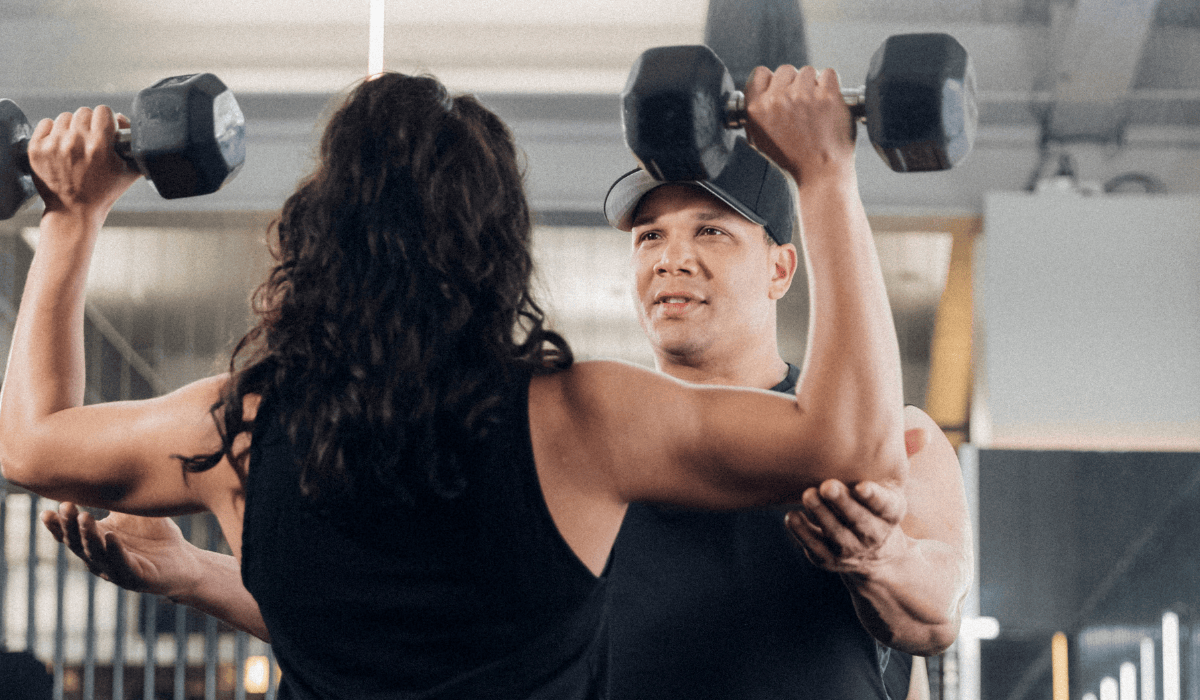
What is Progressive Overload? And Why It’s the Key to Seeing Real Results
If you’ve ever put in consistent effort into your gym sessions and still felt like you were going nowhere, progressive overload might be the missing piece. It’s not complicated, but once you understand this fundamental...
Spin Class vs Running: Which Cardio Is Better for Your Body?
When it comes to cardio workouts, running is often the first thing that comes to mind. It’s simple, accessible and effective. But in recent years, spin class training and indoor cycling have become one of the most...
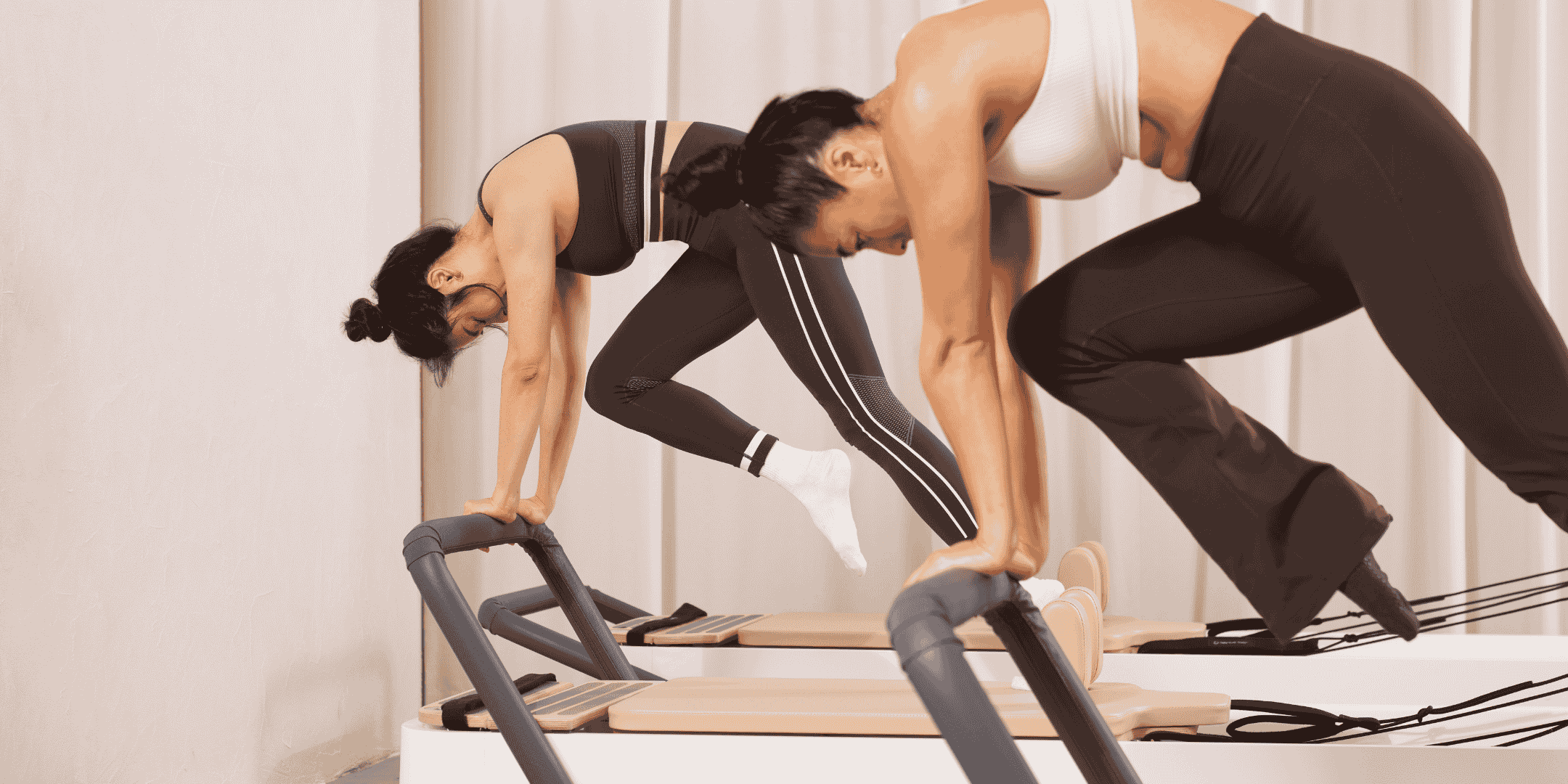
The Ultimate Guide to Choosing Your Perfect Pilates Class
Pilates has become one of the most popular ways to build strength, improve posture, and support long-term wellbeing, and for good reason. With its focus on controlled movement, breath, and alignment, Pilates delivers a...