Should I Eat Before I Work Out? Your Pre and Post-Workout Nutrition Essentials
Should I Eat Before I Work Out? Your Pre and Post-Workout Nutrition Essentials
By One Playground
Are you someone who wakes up ravenous and ready for breakfast, or do you need a few hours before even thinking about food? When it comes to nutrition, we’re all a little different, which can make the question “Should I eat before I work out?” feel confusing.
The good news? While individual preferences vary, there are a few key nutrition principles that can help you fuel smarter before and after your workouts.
We caught up with Coach Emma, a PT and nutritionist at The Bunker, for all you need to know about fuelling around your workouts.
Should I Eat Before I Work Out?
The answer is simple – yes!
The goal of pre-workout nutrition is simple: to give your body the energy it needs to perform well.
To perform at your optimal, you need to fuel your body. You wouldn’t drive a car with no fuel in the tank, so why do the same with your body?
That doesn’t necessarily mean you need to have a full breakfast at 5am before you train; time of day and intensity of work will have an impact on what is optimal. But something small like a banana, a slice of toast, or, if your digestion can handle it, dates and peanut butter, can all give you a boost of energy to wake you up and get you through the workout feeling good until you can have a larger meal afterwards.
I would only suggest fasted training for low-intensity, steady-state sessions, but encourage you to eat before any other type of session.
Fasted training is likely to result in a faster onset of fatigue, therefore not maximising potential and hindering recovery.
Fasted training may also result in overeating later in the day as hunger is increased due to earlier underfueling. If fat loss is a goal, this may also hinder that.
But Doesn’t Training Fasted Burn More Fat?
You might have heard that doing cardio on an empty stomach, aka fasted cardio, helps you burn more fat. And while it’s true that your body may use fat as its primary fuel source in a fasted state, that doesn’t automatically translate to more body fat lost overall.
When you work out fasted, your body taps into fat stores for energy because glycogen (carb stores) is low. Sounds great, right? But what matters more than what fuel you burn during your workout is your total energy balance – that’s how many calories you burn vs. how many you consume.
Over a 24-hour period, your body adjusts. If you burned more fat during your morning fasted run, it might burn more carbs later in the day, and your metabolism balances out. Studies show that, in the long term, there’s no significant difference in fat loss between fasted and fed cardio when calories are controlled.
The 90:30 Rule
90 Minutes Pre-Training
Consume food that is easily digestible, high in carbs but low in fat and protein.
For example:
- Banana
- Rice cakes or a bagel with peanut butter or honey
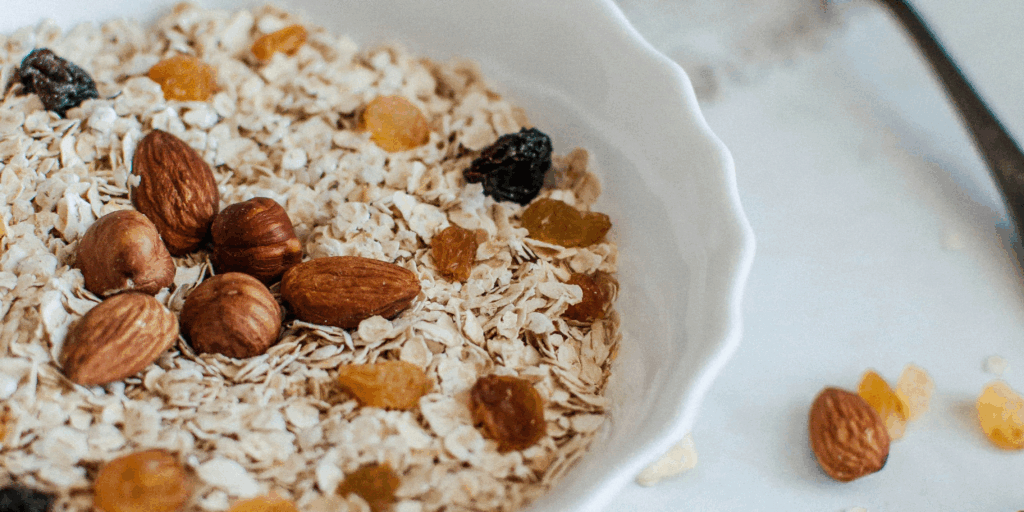
- Dried fruit
- Flapjack
30 minutes pre-training
Avoid foods that have a long digestion time, are high in fibre or anything that may cause GI issues.
For example:
- Liquid based, e.g. coconut water, juice, water with added electrolytes
- Small handful of lollies, e.g. Haribo
Surely my Oat Flat White is Enough?
Energy drinks and caffeine are often a preferred ‘pre workout’. This is not an optimal pre-training snack!
Don’t get me wrong, I love my coffee. It sharpens focus, gets us moving, and feels like liquid motivation. But let’s clear something up: caffeine doesn’t actually give you energy.
What it does is block a chemical in your brain called adenosine, your natural “sleepy” signal. When adenosine is blocked, you feel more alert, but that tiredness is still building in the background. That’s why, once the caffeine wears off, you often crash hard.
If you do like to have caffeine before your workout, aim for roughly 45-60 minutes before starting to give it enough time to start working.
Just make sure to pair it with a fuel source that will give you that added hit of energy you need!
How Should I Refuel After a Workout?
The goal of post-workout nutrition is to recover, repair and replenish energy stores.
When the fuel dial on your car is low, you wouldn’t go out and drive a long distance until you have refuelled. The same thing happens in our bodies! When you’ve used up your energy stores in a big workout and put the muscles to work, you need to refuel and reenergise to continue with your day.
Ideally, aim to consume a balanced meal within 60-90 minutes post-workout.
For example:
- Chicken, sweet potato and veggies
- Protein smoothie with oats/ banana, and nut butter
- Tuna wrap with a piece of fruit
The 3 R’s
1. Repair
Muscle protein synthesis stops when we are training. By consuming protein after your workout, you help kickstart the repair and rebuilding process, giving your body the building blocks it needs to grow, setting yourself up for faster recovery and maximal gains.
2. Rehydrate
Most people enter the gym with a water bottle to hand, if a session has been high intensity or sweat has been excessive, additional electrolytes (not just after but before and during too) will help prevent dehydration and replace salts lost through sweat.
3. Refuel
Depending on the duration and intensity of the session, it is likely that carbs need to be replenished, as this is your primary source of fuel. If training again that day, within the following 12 hours, it is vital to refuel your energy stores.
How Important is it to Consume Protein Straight After a Workout?
What matters most is your total daily protein intake and that it’s spaced out reasonably well across the day.
That said, getting protein in within 1 – 2 hours post-workout is still a smart move, especially if you trained fasted or it’s been a while since your last meal. That’s when your muscles are primed for repair and growth, and giving them the building blocks (amino acids) helps optimise recovery.
Common Questions
Q: Do I need to eat before early morning workouts?
A: If performance is a priority, a small snack (e.g. a banana or a piece of toast with honey) can help. But if you’re short on time and prefer fasted workouts, focus on getting a balanced meal afterwards. Listen to your body, if you’re feeling weaker than usual, some food might be a good idea.
Q: Can I just have a protein shake post-workout?
A: Yes, it’s a convenient option, just be sure to eat a balanced meal within a couple of hours as well.
Q: Will eating after a workout “ruin” my fat loss efforts?
A: Not at all! Skipping post-workout nutrition can make recovery harder and may even lead to overeating later. Fat loss comes down to your total intake over time, not just one meal.
Let’s Fuel!
To wrap it up, you don’t need a perfect meal every time, but consistently fueling your body well before and after workouts will help you:
- Perform better
- Recover faster
- Build and maintain lean muscle
- Support sustainable fat loss
Remember: nutrition around your workouts isn’t just about short-term results, it’s about making your hard work in the gym count.
If you’re looking for support with your nutrition and training, Emma is here!
More Articles
What is Intermittent Fasting and Should I Do It?
Intermittent fasting has become one of the most talked-about nutrition strategies in recent years. From social media success stories to celebrity endorsements, it’s often promoted as a simple way to lose weight, improve...

5 Steps to Improving Your Relationship with Food
The way you feel about your body has a profound impact on how you treat it, and nowhere is this truer than in your relationship with food. If you’ve struggled with rigid rules, emotional eating, or feeling at odds with...
The Ultimate Protein Guide: What to Eat, When to Eat It, and Why It Matters
When it comes to macros, protein often steals the spotlight. Whether your goal is fat loss, muscle gain or improved performance, protein plays an essential role.